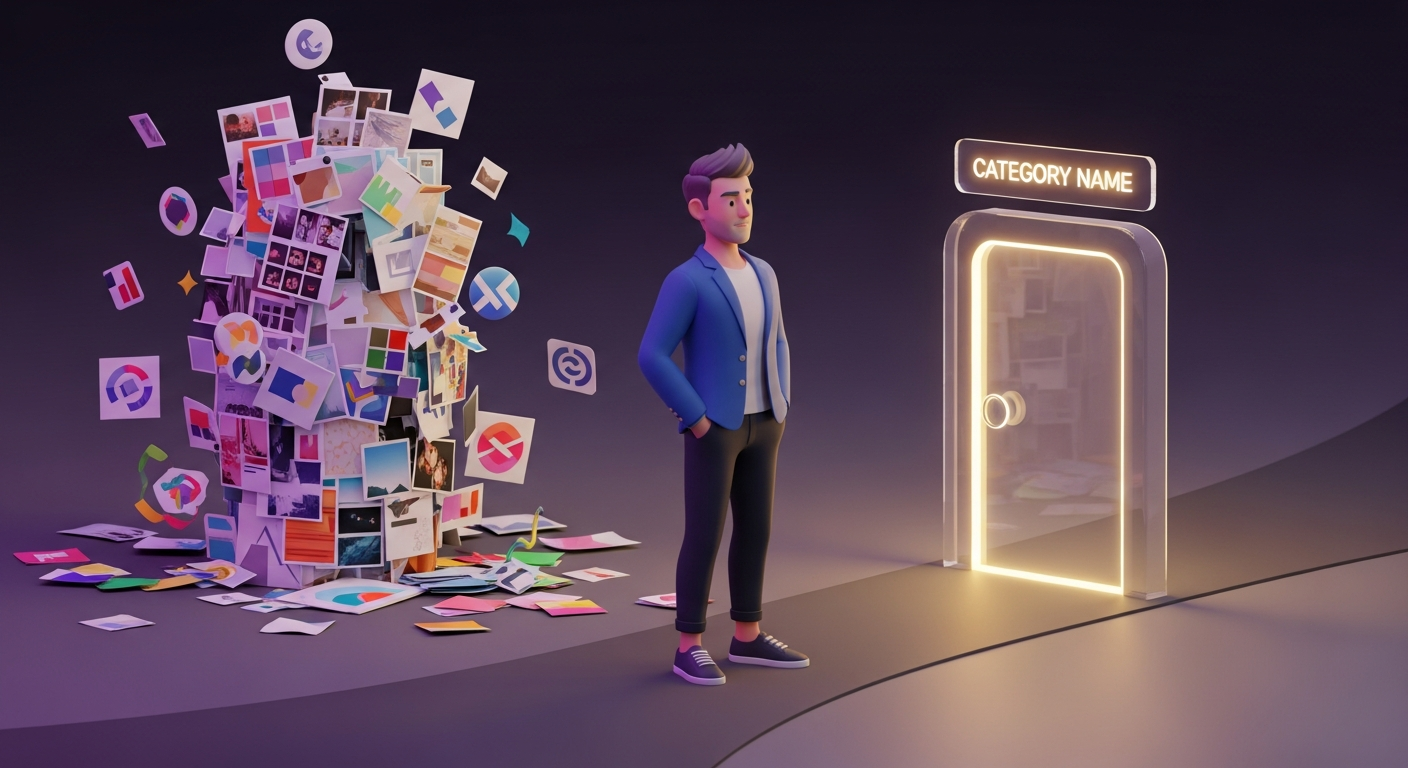
We've all been there, staring at marketing reports that look busy but don't quite translate into actual sales. It feels like we're doing all the right things – running campaigns, generating leads – yet the pipeline isn't filling up as we'd hoped. This often points to a gap in how we're building genuine interest and intent with potential customers. That's where understanding demand generation consulting comes in. It's about shifting from just getting names on a list to creating a system where buyers actively seek us out. We'll explore what this means and when bringing in an expert makes sense for our business.
Key Takeaways
- Demand generation consulting helps businesses create a system where potential buyers actively seek them out, focusing on building awareness, interest, and intent rather than just capturing contact details.
- We need to recognize when our business struggles with lead quality, sales and marketing misalignment, or complex buyer journeys, as these are clear indicators that demand generation expertise is required.
- Demand generation consultants audit our entire funnel, design systems for revenue growth, and bridge the gap between sales and marketing efforts to ensure a smooth buyer experience.
- Key activities include integrating AI visibility with paid media, developing content strategies across channels, and using partnerships effectively to build credibility and reach.
- Success is measured by metrics like pipeline velocity and customer lifetime value versus acquisition cost, indicating sustainable growth rather than just short-term gains.
Understanding Demand Generation Consulting
Defining Demand Generation Consulting
We often see businesses focused on getting more leads, but that's only part of the picture. Demand generation consulting is about building real interest and intent for what you offer, not just collecting contact information. It’s about creating an environment where potential customers actively seek you out. Think of it as planting seeds and nurturing them, rather than just trying to catch raindrops. A consultant helps us map out this entire process, from making people aware of a problem we can solve to them becoming loyal customers.
Demand Generation Versus Lead Generation
It's easy to mix these two up, but they're quite different. Lead generation is about capturing someone's contact details – their name, email, maybe phone number. It's a single step. Demand generation, on the other hand, is the whole journey. It starts with building awareness and interest, then moves through engagement and consideration, and finally leads to a qualified opportunity. Demand generation aims to create the conditions where buyers are ready to engage, not just people who happened to fill out a form.
Here's a simple way to look at it:
The Strategic Role of a Consultant
A demand generation consultant acts as a guide. They look at our entire sales and marketing system, not just isolated campaigns. They help us identify where we might be losing potential customers or where our message isn't hitting the mark. This involves looking at everything from our content strategy and how we use different channels to how our sales and marketing teams work together. They help us build a cohesive plan that drives consistent revenue growth, rather than just chasing short-term wins.
When Your Business Requires Demand Generation Expertise
At some point, all B2B companies hit a ceiling. The familiar tactics—more ads, more sales calls, more content—stop driving the results they used to. When that happens, it may be time to bring in demand generation expertise. Let’s break down the main warning signs that we need to make a change.
Recognizing Deficiencies in Lead Quality
It’s common to have enough leads flowing in, but are they the right ones? If we see a pile of names but only a handful who ever become customers, that’s a red flag.
- Our close rate is dropping, even as lead volume grows
- Sales is spending too much time on leads who will never buy
- The majority of leads stall early in the buying process
Poor lead quality burns time and budget. We need to shift from chasing numbers to focusing on buyers with real intent.
If we keep generating the wrong type of leads, our sales pipeline will eventually dry up, no matter how much effort we pour in.
Addressing Misaligned Sales and Marketing Efforts
When marketing and sales fail to coordinate, our pipeline falls apart. Both teams may blame each other, but the process itself is broken. Common indicators include:
- Multiple handoff points, often with little or no feedback
- Disputes about what defines a qualified lead
- No shared targets or mutual accountability
Alignment problems waste resources and let key opportunities slip by. We must get everyone working towards the same revenue goals.
Here’s a simple checklist to spot misalignment:
- Are sales and marketing reporting on different KPIs?
- Do both teams regularly meet to review funnel progress?
- Is lead feedback tracked, closed-loop, and actionable?
Navigating Complex Buyer Journeys
B2B buying isn’t linear. Now more than ever, buyers research on their own and involve more people in decisions. If our old tactics no longer work, it might mean our process is out of sync with reality.
Typical signs:
- Buyers interact with us across five or more channels before engaging
- Larger decision groups with unclear needs and timelines
- Our campaigns have trouble keeping up with longer sales cycles
When the buying path gets tangled, default tactics fail. We need a system that maps, tracks, and supports buyers at each step, across every platform.
Growing complexity in the buying process means businesses can’t rely on old lead-gen tricks; a more structured and integrated approach is now required.
If we spot any of these issues, it’s time to explore demand generation consulting. Not only do consultants help spot the weak links, but they build a strategy that actually connects marketing effort to revenue. And honestly, when growth stalls or feels chaotic, an outside perspective can be what pulls us back on track.
Core Functions of Demand Generation Consultants

Funnel Auditing and Optimization
We start by looking closely at your entire sales and marketing funnel. This isn't just about counting leads; it's about understanding how prospects move from first contact to becoming a paying customer. We identify where people drop off, what's causing friction, and what's working well. Our goal is to find the leaks and fix them, making sure more of your efforts turn into actual business. This involves looking at everything from initial awareness campaigns to the final stages of closing a deal.
Ecosystem Design for Revenue Growth
Think of demand generation as building a system, not just running isolated campaigns. We design an integrated approach where marketing and sales work together smoothly. This means aligning your content, your outreach, and your follow-up processes. We map out how different parts of your business interact to create a consistent flow of interested buyers. It’s about creating the right environment where demand can naturally grow.
Strategic Link Between Sales and Marketing
Often, sales and marketing teams operate in separate worlds. We bridge that gap. We make sure that marketing efforts are directly supporting sales goals and that sales teams have the information and leads they need. This involves setting clear communication channels, agreeing on what constitutes a qualified prospect, and ensuring everyone is working towards the same revenue targets. It’s about making sure both teams are rowing in the same direction.
Key Demand Generation Activities and Strategies
A demand generation consultant is not just a planner—they are builders who put the right mix of activities and strategies in place to spark real pipeline growth. We see demand generation as a set of interconnected practices that go beyond just collecting leads. Let's break down some of the core methods we focus on.
AI Visibility and Paid Media Integration
For any growth-focused B2B brand, being found matters as much as being chosen. We combine AI-enabled audience targeting with smart paid media campaigns to make sure our message lands in the right place at the right moment. Or, more simply, we help companies show up where their future customers are actually looking.
Key elements include:
- Using AI tools to identify intent signals—when buyers are starting to look for solutions like yours.
- Coordinating Google Ads, LinkedIn, and other paid channels so campaigns overlap strategically, not sporadically.
- Constantly adjusting audiences, budgets, and creative based on what incoming data shows is truly working.
When done right, paid and AI-powered targeting is not about blasting everyone—it's about being surprisingly familiar to decision-makers the moment they're ready to learn more.
Content Frameworks and Channel Utilization
Good content is the engine that keeps your entire demand system running. Together, we structure our content intentionally for every stage of the buyer's thinking—not just the first click.
- We map out what problems people search for, not just what we want to sell.
- We repurpose core topics into blogs, webinars, podcasts, and social posts, so one big idea can travel farther.
- We avoid generic content calendars and instead anchor everything to real topics that move prospects closer to a decision.
Here's how we line up channels for maximum effect:
- Use webinars and live virtual events for deep, direct education.
- Post short-form insights on LinkedIn for awareness and repeated engagement.
- Develop downloadable resources as proof points for those evaluating solutions.
Leveraging Partnerships and Influencer Marketing
We don't operate in a vacuum—trusted partners and known voices open doors for conversations we could never reach alone. We prioritize:
- Identifying respected figures in our industry and supporting them, rather than just pitching.
- Creating joint research or co-hosted events that put us in front of each other’s audiences.
- Incentivizing customers to refer and advocate, further broadening our market footprint through earned trust.
By working with partners who already have our buyers' attention, we speed up the process of earning credibility and, ultimately, pipeline growth.
In summary, our demand generation strategy is about combining the targeted precision of modern tools with the trust and scale only meaningful connections can create. The real advantage isn’t just in the activity—it's when every piece fits together and points directly to growth.
The Consultant's Approach to Building Demand
When we bring in a demand generation consultant, we're not just looking for someone to run ads. We need a strategic partner who understands how to build a consistent flow of interested buyers. This isn't about quick wins; it's about creating a system that works over time. Our consultants help us map out a clear path, starting from how we get noticed all the way to keeping customers happy.
Developing a Traction Plan Framework
Think of a traction plan as our roadmap to getting more people interested and, eventually, buying. It’s a structured way to figure out what we need to do, when we need to do it, and how we'll know if it's working. This plan breaks down the whole process into manageable steps. It helps us see the big picture while focusing on the details that matter.
- Identify the core problem we're solving for our customers.
- Define the specific actions needed to reach them.
- Set clear timelines and responsibilities for each action.
- Establish how we'll track progress and make adjustments.
Integrating Awareness, Engagement, Conversion, and Retention
Demand generation isn't a single event; it's a journey. A consultant helps us connect the dots between each stage. We need to make sure people first become aware of us, then get engaged with what we offer, move towards becoming customers, and ideally, stick around.
- Awareness: This is about getting on the radar of the right people. It means creating content that educates and builds trust before we even think about selling. We want them to know we exist and that we understand their challenges.
- Engagement: Once they know us, we need to keep them interested. This involves providing content that genuinely helps them solve problems, not just pushing our products. It’s about building a relationship.
- Conversion: This is where we turn interest into action. We build systems that make it easy for interested prospects to become paying customers. It’s about moving them from a conversation to a concrete opportunity.
- Retention: Getting a customer is only half the battle. We need to keep them happy and coming back. This means continuing to provide value and turning them into advocates for our brand.
The goal is to create a smooth transition between these stages, so prospects don't fall through the cracks. It’s about making the entire buyer experience feel natural and helpful.
Aligning Systems, Messages, and Metrics
For demand generation to work, everything needs to be in sync. Our technology, what we say, and how we measure success must all point in the same direction. A consultant helps us make sure our CRM and marketing tools are talking to each other, that our messaging is consistent across all channels, and that we're tracking the right numbers to understand what's really happening.
- Systems: We look at our CRM, marketing automation, and analytics platforms. Are they set up to support our demand generation goals?
- Messages: Is our communication clear, consistent, and relevant to our audience at each stage of their journey?
- Metrics: Are we measuring what matters? We focus on things like pipeline velocity and lead-to-opportunity rates, not just vanity metrics.
Measuring Success with Demand Generation Metrics
Are we actually moving the needle, or just spinning our wheels? That’s the core question demand generation metrics help us answer. A consultant will tell you: stop tracking vanity and start measuring what affects the bottom line. The right KPIs reveal where demand is generated, where it stalls, and what needs fixing next.
Pipeline Velocity and Lead-to-Opportunity Rates
Pipeline velocity tells us how fast qualified leads progress toward revenue. If it feels like leads are stuck in limbo, your pipeline likely needs work. Lead-to-opportunity rate, meanwhile, cuts through the noise—if marketing is producing leads that never make it to sales, there’s a gap that has to close. We might track:
- Slow pipeline? Maybe your onboarding is too complex, or messaging isn’t clear enough.
- Low lead-to-opportunity? Likely a mismatch between marketing’s targeting and sales’ needs.
- Short cycles with poor close rates? You’re possibly bringing in the wrong prospects altogether.
Customer Lifetime Value Versus Acquisition Cost
There’s no point in generating demand if it costs more than it’s worth. Customer Lifetime Value (LTV) compared against Customer Acquisition Cost (CAC) ensures growth is sustainable. Here, precision matters more than volume. Focus on:
- Average value of a customer over time (LTV)
- Total marketing/sales spend per new customer (CAC)
- Ratio of LTV to CAC (Target: 3:1 or higher for healthy growth)
Knowing your true LTV and CAC can be a real eye-opener—are we building a business that scales, or just spending to look busy?
Engagement Depth and Attribution Models
Click counts don’t tell the whole story. Instead, check for engagement depth—are people spending time with your brand, coming back for more, and taking meaningful actions? Modern attribution models (first-touch, multi-touch, etc.) show which channels and messages deserve the credit. We measure:
- Return visits, time on site, resource downloads
- Multi-touch attribution paths, not just last-click
- Progression toward sales readiness, not just form fills
Consider tracking:
- Repeat engagement (visits to key pages or resources)
- Number of meaningful interactions per account
- Real influence of channels (using attribution tools)
When these metrics increase together, your demand generation efforts are actually working—not just making noise.
If your reporting feels like busywork and revenue isn’t growing, it’s time to rethink what you measure and how you respond.
The Role of Technology in Demand Generation
CRM and Marketing Automation Integration
We can't talk about modern demand generation without talking about technology. It's the engine that drives our efforts, making complex processes manageable and providing the data we need to make smart decisions. At the core of this technological stack are Customer Relationship Management (CRM) systems and marketing automation platforms. These aren't just fancy databases; they are the central nervous system for our demand generation activities. CRMs help us keep track of every interaction with a prospect or customer, building a complete picture of their journey. Marketing automation tools then take this information and allow us to send the right message, to the right person, at the right time, automatically. Think personalized email sequences triggered by specific actions, or lead scoring that tells us when a prospect is truly ready for a sales conversation. Without this integration, our demand generation efforts would be fragmented, inefficient, and largely guesswork.
Analytics Platforms for Performance Tracking
Once our systems are in place, we need to know if they're actually working. This is where analytics platforms come in. These tools provide the visibility we need to measure the effectiveness of our campaigns. We can track website traffic, conversion rates, engagement metrics, and much more. This data allows us to see what's performing well and, just as importantly, what's not. It's not enough to just launch campaigns; we must constantly monitor their performance and make adjustments. This iterative process, driven by data, is what separates successful demand generation from the rest.
Utilizing AI for Market Insights
The landscape of buyer behavior is always shifting, and staying ahead requires more than just traditional methods. Artificial Intelligence (AI) is rapidly becoming an indispensable tool in our demand generation arsenal. AI can process vast amounts of data to identify patterns and trends that might be invisible to human analysis. This means we can gain deeper insights into our target audience, predict future market shifts, and even personalize our messaging at a scale previously unimaginable. AI can help us understand buyer intent, optimize ad spend, and identify new opportunities for engagement. It's about using technology to not just react, but to proactively shape our demand generation strategy based on intelligent predictions and real-time market understanding.
Distinguishing Demand Generation Consulting from Other Services
Consulting Versus Agency Execution
When we talk about demand generation consulting, it's important to draw a clear line between that and what a typical agency does. An agency often takes over the day-to-day running of your campaigns. They execute the strategy. Our role as consultants, however, is more about building the foundational architecture for your demand generation efforts. We help set up the systems, fix how you track results (attribution), and provide a structured framework for your team to follow. This approach is best suited for teams that want to build internal capabilities but need expert guidance to get started on the right foot. Think of it as us providing the blueprints and the construction plan, while your team does the actual building, with our ongoing support.
Demand Generation Versus General B2B Marketing Consulting
While both fall under the broader umbrella of B2B marketing, demand generation consulting has a very specific focus. General B2B marketing consulting might look at your overall brand positioning, your go-to-market strategy, or your company's broader messaging. Demand generation consulting, on the other hand, zeroes in on creating and capturing buyer intent. We concentrate on the pipeline itself – how to build it, how to grow it, and how to make it more efficient. This involves looking closely at your channel strategy, your paid media efforts, and the content you use to attract and engage potential customers.
Focus on Pipeline and Channel Performance
Our primary concern is the health and performance of your sales pipeline. We're not just interested in generating a high volume of leads; we're focused on the quality of those leads and how effectively they move through the funnel. This means we pay close attention to:
- Pipeline Velocity: How quickly do deals move from one stage to the next?
- Lead-to-Opportunity Conversion Rates: What percentage of leads actually become qualified opportunities?
- Channel Effectiveness: Which marketing channels are contributing most effectively to pipeline growth?
- Customer Acquisition Cost (CAC) vs. Customer Lifetime Value (CLTV): Are we acquiring customers profitably over the long term?
We analyze these metrics to identify bottlenecks and opportunities for improvement. If your main challenge lies in consistently filling your pipeline with the right kind of prospects and moving them toward a sale, then demand generation consulting is the specialized service you need. It's about building predictable revenue engines, not just running isolated marketing campaigns.
The Evolving Landscape of Buyer Behavior
Increased Buyer Savvy and Complexity
Buyers today are not the same as they were even a few years ago. They come to the table with more information, more options, and a much clearer idea of what they want. This means our approach needs to be more sophisticated. We can't just push out generic messages and expect results. We have to understand their specific pain points and offer tailored solutions. The buying process itself has also become more intricate. Multiple stakeholders are often involved, each with their own priorities and concerns. This complexity requires a demand generation strategy that can speak to different roles within an organization and guide them through their individual journeys.
The Shift Towards a Pull Strategy
Gone are the days when businesses could simply broadcast their message and expect customers to flock. The modern buyer is more likely to seek out solutions themselves. They research, compare, and evaluate before ever engaging with a sales team. Our role, therefore, shifts from actively chasing leads to creating an environment where potential customers are drawn to us. This means focusing on providing genuine value, answering questions proactively, and establishing ourselves as a trusted resource. We need to build a reputation for solving problems, not just selling products.
Building Trust and Relationships Over Time
In this new landscape, trust is the currency. Buyers are wary of overt sales pitches and are more inclined to engage with brands they perceive as authentic and reliable. This requires a long-term perspective. Demand generation isn't about quick wins; it's about cultivating relationships. We must consistently deliver value, demonstrate our understanding of their challenges, and be present throughout their decision-making process. This consistent, value-driven approach builds the foundation for lasting customer loyalty and advocacy.
Achieving Sustainable Growth Through Demand Generation
Building a business that's not just growing but growing in a healthy way is what we all want. Demand generation pushes us past quick wins, prioritizing a steady flow of interested buyers who actually want what we're selling. Here's how we make that a reality.
Creating Conditions for Buyers to Emerge
We create an environment where buyers feel like they've found us at just the right time. That doesn't mean shouting from the rooftops about what we do. It means shaping the market so our best buyers raise their hands on their own. To do that, we:
- Research signals that indicate readiness to buy so we know who to focus on.
- Develop content and campaigns aligned with each phase of their decision process.
- Remove obstacles and friction so getting in touch is the natural next step.
The buyers we want aren't just filling out forms—they're engaging because we've set conditions that make us the most relevant answer to their needs.
Nurturing Trust Across the Buyer's Journey
A single touchpoint rarely seals the deal, especially for complex offerings. We focus on building trust, layer by layer, by:
- Using regular, relevant communication that's actually useful—not just sales messages.
- Offering real proof: customer stories, transparent pricing, clear outcomes.
- Supporting long-term questions before and after the sale to show we're invested in their success.
This approach pulls buyers toward us, rather than pushing them away through high-pressure tactics.
The Foundation for Long-Term Business Success
Sustainable demand generation isn't a one-time push; it's a system that keeps producing results. We pay attention to:
- Metrics that matter: customer retention, referral rates, recurring revenue.
- Tight feedback loops: if buyers aren't making it from interest to action, we find out why and fix it.
- Continuous improvement: the market never sits still, and neither do we. Our strategies adjust as buyer behavior evolves, new competitors pop up, or products shift.
When we do demand generation right, buyers show up ready—we don't have to chase or convince. Sustainable growth follows, predictable and steady, because we've built trust and proven value at every step.
Growing your business in a smart way means making sure more people want what you offer. This is called demand generation. It's all about attracting potential customers and turning them into loyal buyers. Want to learn how to do this effectively? Visit our website to discover proven strategies that will help your business flourish.
Final Thoughts on Engaging Demand Generation Expertise
In sum, the decision to bring in a demand generation consultant hinges on a clear assessment of your current capabilities and growth objectives. When traditional methods fall short, and the complexity of the modern buyer's journey outpaces internal resources, external expertise becomes not just beneficial, but necessary. A skilled consultant can untangle the intricacies of awareness, engagement, and conversion, building a cohesive system that drives predictable pipeline growth. If your business is struggling with lead quality, siloed efforts, or a lack of clear direction in a competitive market, seeking professional guidance is a strategic move toward achieving sustainable revenue. It’s about moving beyond isolated campaigns to architecting a revenue engine that consistently converts attention into tangible business outcomes.
Frequently Asked Questions
What exactly is demand generation consulting?
Demand generation consulting is about helping businesses create more interest and desire for their products or services among potential customers. We work with companies to build strategies that make buyers want to learn more and eventually choose them, rather than just trying to grab leads.
How is demand generation different from lead generation?
Think of it this way: lead generation is like collecting contact information from people who might be interested. Demand generation is about building that interest and desire from the start, so people actively seek you out. We focus on creating the conditions where buyers come to us.
When should our business consider hiring a demand generation consultant?
You might need us if your leads aren't turning into actual sales, or if your sales and marketing teams aren't working well together. If you feel like you're doing a lot of marketing but not getting the right results, it's a good sign to explore demand generation help.
What do demand generation consultants actually do?
We look closely at how your business attracts and converts customers. We help design better systems, create the right messages, and make sure your marketing and sales efforts are in sync. We also help figure out the best ways to reach your audience, like using online ads or creating helpful content.
What kind of activities are involved in demand generation?
It can involve many things! We might use smart online ads, create useful content like blog posts or videos, work with partners, or even use social media to build awareness. The key is to connect with potential customers in ways that build trust and show them the value of what you offer.
How do we know if a demand generation consultant is successful?
We measure success by looking at how quickly good opportunities move through your sales process, how many marketing leads become real sales opportunities, and whether the money spent to get a customer is less than what they bring in over time. We focus on real business growth, not just vanity numbers.
What role does technology play in demand generation?
Technology is super important! We use tools like customer relationship management (CRM) systems and marketing automation software to keep track of everything. Analytics platforms help us see what's working and what's not, so we can make smart adjustments.
How is demand generation consulting different from general marketing help?
General marketing might cover many areas. Demand generation consulting is specifically focused on building a strong pipeline of interested buyers and improving how your marketing and sales channels perform. Our main goal is to create consistent, valuable opportunities for your business.




.png)









































.png)
.png)
.png)
.png)
.png)
.png)
.png)
.png)
.png)
.png)