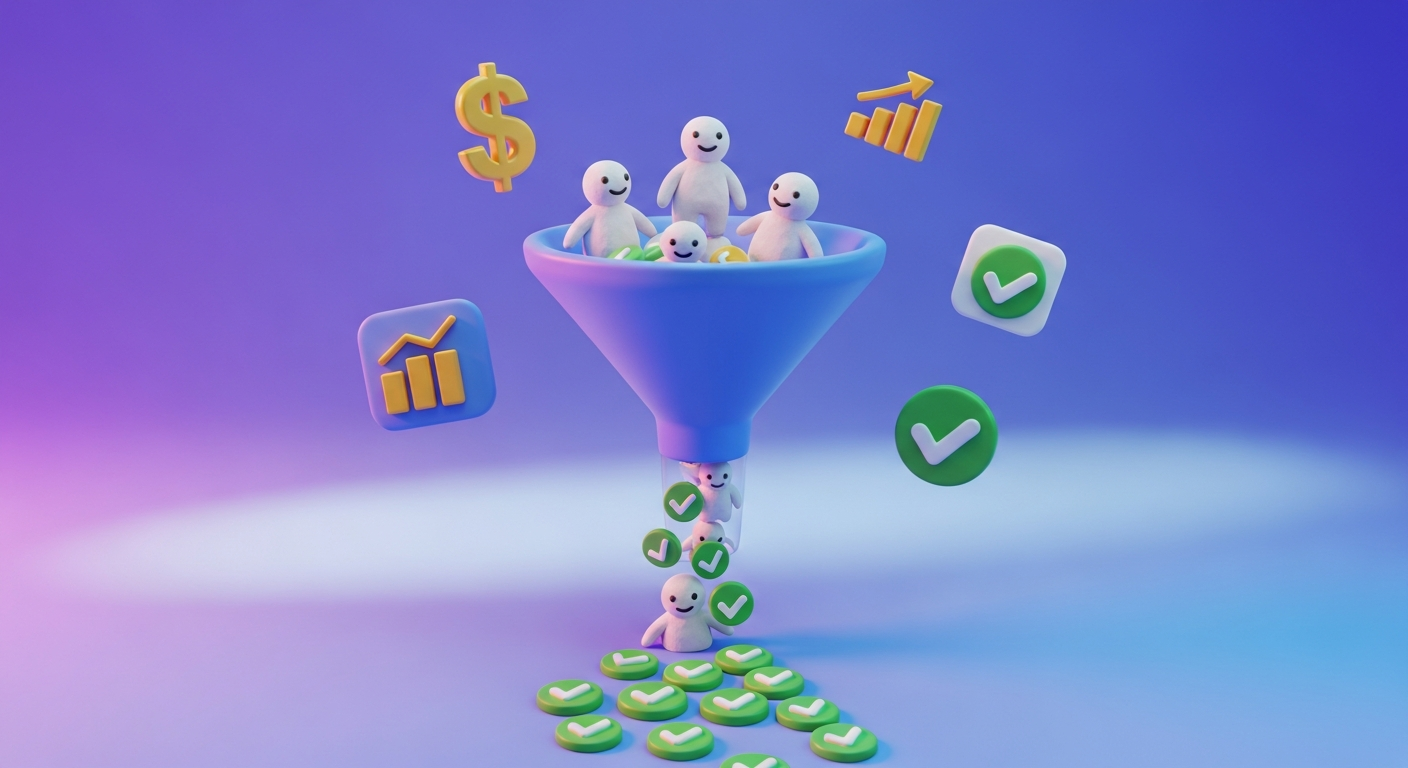
We're going to break down the demand generation funnel, a key framework for B2B companies aiming to connect with potential customers and turn them into paying clients. It's not just about finding leads; it's about guiding people from the moment they realize they have a problem all the way to them becoming a loyal customer. We'll explore each part of this process, showing how marketing and sales efforts work together to build relationships and drive revenue.
Key Takeaways
- The demand generation funnel maps a buyer's journey from initial awareness to becoming a customer, focusing on creating and capturing demand.
- It differs from traditional sales funnels by starting earlier, accounting for anonymous buyers and their research before they express direct interest.
- Key stages include Awareness (recognizing a problem), Engagement (nurturing interest), Intent (identifying buying signals), and Conversion (driving pipeline).
- Optimizing the funnel requires continuous effort and alignment between marketing and sales teams around shared outcomes, not just individual campaign metrics.
- A successful demand generation funnel reflects actual B2B buyer behavior, incorporating self-serve options and expert guidance to build trust and drive revenue.
Understanding the B2B Demand Generation Funnel Framework
We must first get a firm grasp on the B2B demand generation funnel. It’s not just another buzzword; it’s a structured approach to how we bring potential customers from not knowing about us to actually buying from us. Think of it as a roadmap, guiding prospects through a series of interactions that build recognition, interest, and ultimately, a desire for our solutions. This framework is distinct from the traditional sales funnel, which often starts much later in the buyer's journey. Our demand generation funnel begins earlier, acknowledging that buyers do a lot of research and self-education before they're even ready to talk to sales. It’s about creating and nurturing demand, not just capturing leads that have already decided they want something.
Defining the Demand Generation Funnel
The demand generation funnel is our strategic blueprint for how potential buyers move from initial awareness to becoming paying customers. It’s a system that connects our brand, content, marketing efforts, and sales activities into one cohesive flow. Unlike older models that focused heavily on collecting contact information (like gated content), this approach prioritizes genuine buyer engagement and signals of intent. We aim to build trust and provide value upfront, making it easier for buyers to find us and understand how we can help, even before they know they need us.
Demand Generation Funnel vs. Traditional Sales Funnel
A traditional sales funnel often begins when a prospect has already shown clear interest, perhaps by filling out a form. Our demand generation funnel, however, starts much earlier. It accounts for the anonymous interactions and research buyers conduct before they ever reach out. This means we're influencing demand from the very beginning, not just reacting to it. We measure success not just by the number of leads, but by the quality of the pipeline and the eventual revenue generated.
Strategic Importance of a Demand Generation Funnel
Implementing a well-defined demand generation funnel is critical for sustainable growth. It moves us from a reactive, lead-filling approach to a proactive one that builds market presence and buyer relationships over time. This structured process helps ensure that our marketing and sales efforts are aligned, working together to attract the right audience, nurture their interest, and convert them into loyal customers. By focusing on the entire buyer journey, we create a more predictable and efficient path to revenue.
A properly constructed demand generation funnel acts as a revenue engine. It’s designed to meet specific revenue targets by clearly defining the ideal customer profile and understanding the various stakeholders involved in the buying process. This alignment ensures that all teams are working towards the same goals, with clear expectations and service level agreements (SLAs) in place.
Key aspects of our demand generation funnel include:
- Early Stage Influence: Capturing attention and building recognition when buyers are just starting to identify a problem or opportunity.
- Value-Driven Engagement: Providing helpful, educational content that builds trust and positions us as a knowledgeable resource.
- Intent Recognition: Identifying subtle signals that indicate a buyer is moving from general interest to active consideration.
- Revenue Focus: Aligning all activities with the ultimate goal of generating qualified pipeline and closing deals.
Core Stages of the Demand Generation Funnel
We see the demand generation funnel as a progression, moving potential buyers from initial awareness to becoming a paying customer. It's not a rigid, linear path, but rather a framework that helps us understand and influence buyer behavior. Unlike older models that focused solely on capturing leads, our approach prioritizes building relationships and demonstrating value throughout the entire buyer's journey.
Awareness: Cultivating Problem Recognition
At this initial stage, our primary goal is to make potential buyers aware of a problem or opportunity they might not have realized they had. We're not selling yet; we're educating and providing insights. This involves creating content that speaks to their challenges and positions our brand as a knowledgeable resource. Think of it as planting seeds of recognition.
- Creating content that highlights common industry pain points.
- Sharing research and data that reveals new opportunities.
- Using thought leadership to introduce new perspectives.
The key here is to be helpful and informative, not promotional. We want to be the first brand that comes to mind when a problem arises.
Engagement: Transforming Awareness into Interest
Once a potential buyer recognizes a problem, we need to keep them interested. This stage is about deepening the connection and providing more specific value. We aim to reinforce the initial message and build familiarity with our brand and its solutions. Repeat exposure to valuable content is critical.
- Offering deeper dives into specific solutions through webinars or detailed guides.
- Reinforcing our value proposition through case studies and testimonials.
- Maintaining consistent communication through email or social channels.
Intent: Identifying Buying Signals
This is where interest starts to shift towards action. Buyers at this stage are actively researching solutions and evaluating their options. We look for signals that indicate they are moving beyond general interest and are beginning to consider making a purchase. This often involves more direct engagement with our product or service information.
- Tracking visits to pricing or product comparison pages.
- Monitoring downloads of specific solution-focused content.
- Noting direct inquiries about demos or consultations.
Conversion: Translating Intent into Pipeline
In this final core stage, we focus on converting identified intent into a tangible sales opportunity. This requires close collaboration between marketing and sales. We use the context gathered throughout the funnel to have more informed and relevant conversations, moving the prospect towards a closed deal.
- Qualifying leads based on established criteria.
- Developing opportunities through targeted sales outreach.
- Ensuring marketing context informs sales conversations.
The Awareness Stage: Building Initial Visibility
This is where we start. The Awareness stage is all about making potential customers realize they have a problem or an opportunity they might not have considered. We're not selling anything here, not directly anyway. Our main goal is to get on their radar and plant a seed. Think of it as introducing ourselves to a room full of people, some of whom might eventually need what we offer, but most aren't looking for it right now.
Creating Problem and Opportunity Recognition
We need to help people see things differently. This means crafting content that highlights common challenges or untapped potential within their industry or role. It’s about educating them on issues they might not even know they have, or showing them possibilities they haven't explored. This isn't about pushing our product; it's about sparking a thought process. We want them to think, "Hmm, that's interesting," or "I've experienced that before." This initial recognition is the first step toward them needing a solution, and eventually, our solution.
Leveraging Thought Leadership and Educational Content
To build this initial visibility, we lean heavily on content that positions us as knowledgeable and helpful. This includes blog posts, articles, webinars, and even social media updates that offer insights and advice. We aim to be a source of reliable information, not just a vendor. By consistently providing value and demonstrating our understanding of their world, we build trust and credibility. This approach helps us stand out from the noise and become a go-to resource.
- Publishing in-depth guides on industry trends.
- Hosting webinars that discuss common pain points.
- Creating infographics that simplify complex topics.
- Sharing case studies that illustrate successful problem-solving.
Strategic Use of Paid Media and Organic Search
While organic content builds a foundation, paid media and search engine optimization (SEO) help us reach a wider audience more quickly. We use targeted ads on platforms where our ideal customers spend their time, ensuring our message gets in front of the right eyes. Simultaneously, we optimize our website and content for search engines so that when people do start looking for solutions related to the problems we've highlighted, they find us. It's a dual approach: proactively reaching out and being discoverable when they begin their search.
The key here is to focus on the buyer's journey, not our sales cycle. We must accept that the vast majority of our audience isn't ready to buy. Our awareness efforts should aim to build positive brand association and provide ongoing value, so when they are ready, we're the first company that comes to mind.
The Engagement Stage: Nurturing Buyer Interest
Once we've made potential buyers aware of a problem or opportunity, the next step is to keep them interested. This stage is all about building on that initial awareness and turning it into genuine curiosity about what we offer. We're not trying to sell them anything yet; instead, we're focused on providing more information and showing them the value we can bring.
Deepening Buyer Connections Through Content
We use content to go deeper than just surface-level awareness. This means offering more detailed guides, case studies, webinars, or blog posts that address specific pain points and explore potential solutions. The goal is to provide information that helps buyers understand their situation better and see how our approach might be a good fit. Think of it as a conversation where we're listening to their needs and offering helpful insights, not just pitching a product.
The Role of Repeat Exposure and Value Reinforcement
Buyers in the B2B space often interact with many touchpoints before making a decision. Research suggests they might have dozens of interactions before purchasing. Therefore, consistent, valuable exposure is key. We need to reinforce the value we offer through repeated interactions across different channels. This could involve follow-up emails, retargeting ads, or social media content that keeps our brand and its benefits top-of-mind. Each interaction should add a bit more value, building trust and familiarity.
Holistic Tracking of Engagement Signals
To understand how well we're engaging potential buyers, we need to look beyond simple metrics like website visits. We track a range of signals that indicate deeper interest. This includes:
- Multiple content downloads or views
- Return visits to our website
- Email opens and clicks
- Time spent on specific pages
- Interactions with our social media posts
By looking at these signals together, rather than in isolation, we get a clearer picture of a buyer's journey and can better identify when their interest is starting to turn into something more.
We must remember that engagement isn't just about getting someone to click a button; it's about building a relationship through consistent, helpful communication. This stage lays the groundwork for future intent and conversion by demonstrating our understanding of their challenges and our ability to provide solutions.
The Intent Stage: Capturing Buyer Signals
We've moved past general interest. Now, we're looking for clear signs that a prospect is actively considering a purchase. This is where we shift from broad education to identifying specific buying behaviors. Recognizing these signals is paramount to efficiently converting interest into tangible pipeline opportunities.
Recognizing the Shift from Interest to Intent
Interest is passive; intent is active. A prospect showing interest might read a blog post. A prospect showing intent is comparing solutions, requesting demos, or visiting pricing pages. We need to distinguish between someone casually browsing and someone actively evaluating their options. This shift often happens when a problem becomes urgent or a new opportunity is recognized.
Identifying High-Intent Activities and Behaviors
We track specific actions that indicate a buyer is moving towards a decision. These aren't just form fills; they're deeper engagements. Think about:
- Visiting product pages multiple times.
- Downloading comparison guides or ROI calculators.
- Attending product-specific webinars.
- Requesting a personalized demo.
- Searching for competitor alternatives.
We measure progress at the account level, not just individual contact interactions. This gives us a clearer picture of genuine buying activity and avoids inflated signals from multiple contacts at the same company showing mild interest.
Avoiding Blind Spots Beyond Form Fills
Relying solely on form fills is a mistake. Many buyers conduct extensive research before ever filling out a form. We must look at a broader set of signals. This includes website behavior, engagement with specific content types, and even third-party data that might indicate a company is in-market. A robust system captures these signals to ensure no high-intent prospect is missed.
We must be vigilant in identifying these signals. When a buyer shows clear intent, speed is of the essence. Routing these prospects quickly to the right sales representative can dramatically increase the chances of conversion. Delays can mean losing the opportunity to a competitor.
Here's a look at how we categorize intent signals:
The Conversion Stage: Driving Pipeline Creation
Focusing on Qualification and Opportunity Development
This is where we see the real work begin. We've moved past general awareness and interest; now, we're looking for concrete signs that a prospect is ready to become a customer. Our focus shifts to qualifying these prospects and developing them into actual sales opportunities. It’s about identifying who is genuinely ready to buy and helping them move forward. We need to make it as easy as possible for them to get the information they need to make a decision. This means providing clear pricing, comparison tools, and even interactive demos. Think of it as a conversion hub – a place where all the final pieces of the puzzle come together.
The Critical Role of Sales and Marketing Alignment
For this stage to work, sales and marketing have to be on the same page. We can't have marketing handing off leads that sales can't work with, or sales ignoring leads that marketing worked hard to generate. We need clear Service Level Agreements (SLAs) that define response times and how leads are routed. When marketing identifies a high-intent signal, sales needs to act fast. We track how quickly we respond to these signals because speed-to-lead directly impacts our success rates. If a prospect requests a demo, we need to be ready to schedule it almost immediately. This alignment prevents valuable opportunities from slipping through the cracks.
Utilizing Funnel Context for Sales Conversations
Sales conversations at this stage should be informed by everything we know about the prospect from their journey through the funnel. We shouldn't be asking them questions they've already answered or showing them content that doesn't relate to their specific interests. Instead, we use the data we've collected to tailor the conversation. For example, if we know a prospect has been looking at our pricing pages and comparison guides, the sales rep can focus on ROI and specific feature advantages. This context allows for more productive discussions and helps validate the buyer's decision. We need to make sure our sales teams have access to this information so they can have more meaningful conversations.
Here's a look at how we measure success in this stage:
- Pipeline Generated: The total value of new opportunities created.
- SQO to Closed Won Rate: The percentage of Sales Qualified Opportunities that turn into closed deals.
- Sales Cycle Duration: The average time it takes for an opportunity to move from creation to closing.
- Conversion Rate by Source: Understanding which channels are bringing in the most qualified opportunities.
We must avoid getting bogged down in vanity metrics. Our goal is to create real pipeline, not just a high volume of low-quality leads. Every interaction should be geared towards moving a qualified prospect closer to a closed deal.
Optimizing Demand Generation Funnel Performance
We must accept that the demand generation funnel is not static. It requires constant attention and adjustment to keep pace with how buyers actually behave. Simply setting up a funnel and assuming it will run itself is a recipe for stagnation. Our focus needs to shift from isolated campaign wins to the continuous improvement of the entire buyer journey.
Continuous Optimization Strategies
To truly optimize, we need to look at the funnel not as a set of discrete stages, but as a connected flow. This means tracking how prospects move between stages and identifying where they get stuck. We should be looking at stage velocity – how long does it take for an opportunity to move from one stage to the next? Significant slowdowns are red flags that demand investigation. We also need to ensure our stage definitions are crystal clear, with objective criteria for entry and exit. Ambiguity here leads to miscommunication and missed opportunities.
- Regularly review funnel metrics: Quarterly reviews are a good start, but weekly audits of data integrity are also necessary.
- Analyze stage velocity: Measure the time spent in each stage and compare it to previous periods.
- Refine stage definitions: Ensure clear, objective criteria for moving between stages.
- Test and iterate: Experiment with different messaging, channels, and handoff processes.
Aligning Teams Around Shared Funnel Outcomes
Siloed teams are a major impediment to funnel optimization. Marketing and sales must operate with a shared understanding of the funnel and its goals. This requires transparent data sharing and agreed-upon Service Level Agreements (SLAs) for handoffs. When we measure success based on pipeline contribution and revenue, rather than just MQLs or SQLs, we naturally align teams around what truly matters. Account-level reporting, which aggregates signals from multiple contacts within a single company, provides a more accurate picture of buying activity and helps avoid inflated contact-level metrics.
We must move beyond simply tracking leads and instead focus on recognizing and acting upon intent signals across the entire buyer journey. This requires a unified approach where both marketing and sales teams are accountable for the outcomes at each stage of the funnel.
Measuring Success Beyond Isolated Campaigns
Vanity metrics like website visits or social media likes don't tell the full story of funnel performance. We need to track metrics that directly correlate with pipeline creation and revenue. This includes:
- Engagement by stage: How deeply are prospects interacting at each point?
- Intent-to-opportunity conversion rate: What percentage of prospects showing intent actually become opportunities?
- Pipeline influenced: How much of the sales pipeline can be attributed to our demand generation efforts?
- Revenue contribution: Ultimately, what is the direct impact on the bottom line?
By focusing on these outcome-oriented metrics, we can make informed decisions about where to invest our resources and identify areas for improvement. This data-driven approach is what transforms a functional funnel into a predictable engine for sustained growth.
Demand Capture: Converting In-Market Buyers

Once we've successfully created demand, the next logical step is to capture it. This stage focuses on buyers who are actively looking for solutions like ours. Our efforts here must align with the channels these in-market buyers use when they're ready to make a decision. This means being present where they are searching, whether that's through search engines, industry review sites, or targeted advertising.
Capitalizing on Created Demand
We've put in the work to make potential customers aware of their problems and the solutions available. Now, we need to be ready when they start actively searching. This isn't about broad awareness anymore; it's about precise targeting. We need to ensure that when a buyer searches for terms related to our offerings, we are visible and provide clear, actionable next steps. Our goal is to convert this active interest into tangible pipeline opportunities.
Targeting In-Market Buyer Channels
Buyers in this phase typically use specific channels to research and compare options. These often include:
- Search engines (e.g., Google, Bing)
- Industry-specific review platforms (e.g., G2, Capterra)
- Competitor websites
- Paid search and retargeting ads
Our strategy must prioritize these channels. We should focus on keywords that indicate high intent, such as those related to specific product features, pricing, or comparisons. This allows us to intercept buyers who are further along in their decision-making process.
Key Demand Capture Tactics
To effectively capture demand, we employ several tactics:
- Search Engine Marketing (SEM): Running targeted paid search campaigns on high-intent keywords. This includes bidding on branded terms, competitor terms, and core use-case phrases.
- Conversion Hubs: Creating dedicated pages on our website that provide easy access to pricing information, ROI calculators, product comparison tools, and demo requests. These hubs remove common roadblocks for buyers.
- Retargeting: Using display and paid search retargeting to re-engage website visitors who showed interest but didn't convert initially.
- Review Site Optimization: Ensuring our presence on relevant review sites is strong, with accurate information and positive customer feedback.
- Speed-to-Lead: Implementing rapid follow-up processes for all inbound inquiries. The faster we respond, the higher the likelihood of conversion.
We must continuously monitor our performance at this stage, looking beyond simple lead counts. Metrics like search impression share, high-intent website traffic, and the conversion rate from Sales Qualified Opportunities (SQOs) to closed-won deals are critical indicators of success. Analyzing these metrics helps us refine our targeting and resource allocation to maximize revenue generation.
Aligning the Funnel to Revenue and Buying Groups
We must build our demand generation funnel with a clear line of sight to revenue targets, not just lead counts. This means defining the pipeline and channel requirements needed to hit our Annual Recurring Revenue (ARR) goals. It’s about creating a system that directly contributes to the company’s financial objectives.
Defining Ideal Customer Profiles and Stakeholders
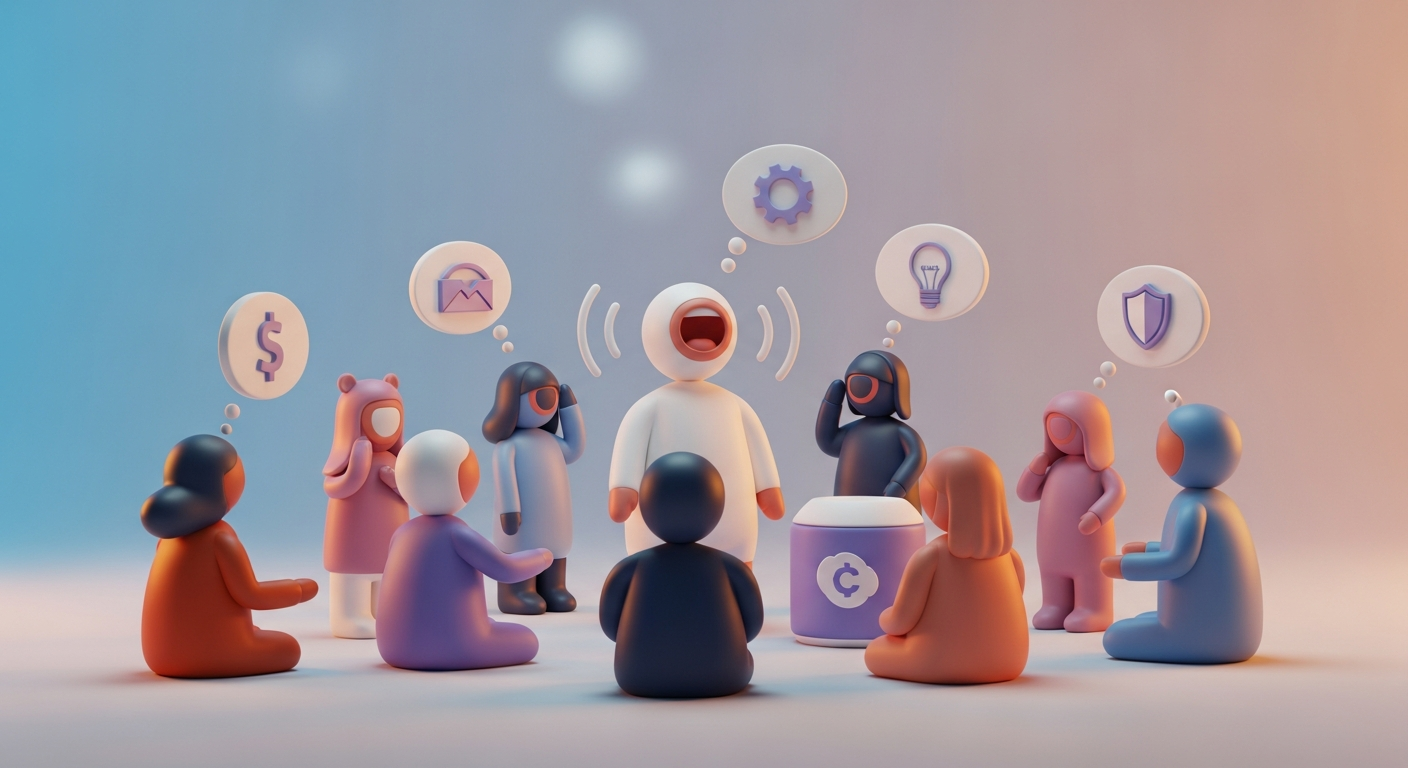
To align our funnel effectively, we first need to pinpoint our Ideal Customer Profile (ICP). This isn't just about company size or industry; it's about understanding the specific pain points, challenges, and goals that our solution addresses. Beyond the primary buyer, we must identify all the stakeholders involved in the buying decision. This often includes individuals from finance, compliance, IT, technical teams, and end-users. Each group has different priorities and concerns that our funnel and subsequent sales conversations need to acknowledge.
Ensuring Internal Team Alignment and SLAs
Once we have a clear picture of our ICP and the buying group, we need to ensure our internal teams are in lockstep. This involves defining clear ownership for different stages and activities within the funnel. We establish Service Level Agreements (SLAs) for handoffs between marketing and sales, setting expectations for response times and qualification criteria. This alignment prevents leads from falling through the cracks and ensures a consistent buyer experience. We need to agree on what constitutes a Marketing Qualified Lead (MQL), a Sales Qualified Lead (SQL), and a Sales Qualified Opportunity (SQO) so everyone is working from the same playbook.
Building a Funnel Focused on Revenue Targets
Our funnel's success is measured by its contribution to revenue, not just the volume of leads generated. We analyze metrics such as:
- Pipeline generated by stage
- Conversion rates from intent to opportunity
- Average deal size
- Customer Lifetime Value (CLV)
This focus ensures that our demand generation efforts are directly tied to business outcomes. We must move beyond vanity metrics and concentrate on what truly drives growth.
The demand generation funnel is a revenue engine. Its design must reflect the economic realities of our business and the purchasing behaviors of our target accounts. Every stage, every touchpoint, and every handoff should be optimized for pipeline velocity and ultimate revenue realization.
Designing Funnel Stages for B2B Buying Realities
Reflecting Actual Buyer Behavior
We must acknowledge that B2B buyers do not follow a straight line from point A to point B. Their journey is often messy, involving multiple touchpoints, research phases, and internal discussions that happen long before they ever interact with sales. Our funnel stages need to mirror this reality. Instead of rigid, sequential steps, we should think in terms of buyer states and the information they seek at each point. This means moving beyond simple "Awareness, Consideration, Decision" and looking at how buyers actually explore problems, evaluate solutions, and confirm their choices.
Incorporating Self-Serve and Expert-Assisted Guidance
Buyers today expect options. Some prefer to research and self-educate at their own pace, while others benefit from direct interaction with subject matter experts. A well-designed funnel accommodates both. We can provide extensive self-serve resources like detailed product documentation, ROI calculators, and comparison tools for those who want to go it alone. Simultaneously, we must make it easy for buyers to connect with our sales or technical teams for personalized guidance, demos, and consultations when they need it. This hybrid approach caters to diverse preferences and accelerates decision-making.
The Hybrid Approach to Buyer Engagement
Our strategy must blend self-service resources with human interaction. This isn't just about offering choices; it's about guiding buyers effectively through their journey. For instance, a buyer might start with a self-serve whitepaper, then engage with an automated chatbot for initial questions, and finally request a meeting with a specialist for a deep dive. Each interaction should build on the last, providing context and moving the buyer closer to a decision.
- Initial Problem Exploration: Buyers identify a need or pain point. Offer educational content, blog posts, and industry reports.
- Solution Evaluation: Buyers explore potential solutions. Provide case studies, comparison guides, webinars, and product demos.
- Validation and Decision: Buyers confirm their choice and prepare for purchase. Offer pricing details, ROI calculators, security documentation, and implementation guides.
We need to design our funnel stages not around what's convenient for us, but around what the buyer is trying to achieve at each moment. This requires deep empathy and a willingness to adapt our processes to their natural buying rhythm. Ignoring this reality leads to friction, lost opportunities, and a disconnect between marketing efforts and actual revenue generation.
Understanding how customers buy in the B2B world is key. It's not always a straight line! We need to create sales steps that match what real buyers do. This helps us guide them better and make sure we don't miss chances to connect. Let's build a path that works for them and for us. Want to see how your sales path stacks up? Visit our website to learn more!
The End Goal: Sustainable Revenue
Building a B2B demand generation funnel isn't just about filling buckets with leads. It's about creating a predictable system that consistently turns awareness into actual revenue. By understanding how buyers move from initial interest to making a purchase, and by aligning marketing and sales efforts at every step, we can move beyond guesswork. This approach ensures we're not just generating activity, but driving measurable growth and building lasting relationships that fuel the business.
Frequently Asked Questions
What exactly is a demand generation funnel?
We see a demand generation funnel as a roadmap that shows how potential customers move from first hearing about us to actually buying something. It's how we plan our marketing and sales efforts to guide them smoothly through this journey, aiming to build interest and eventually turn them into customers.
How is this different from a regular sales funnel?
A traditional sales funnel often starts when someone is already showing interest. Our demand generation funnel, however, begins much earlier. We focus on getting people to realize they have a problem or need, even before they know our product exists. It's about creating that initial awareness and interest first.
Why is creating demand so important?
We believe that most potential buyers aren't ready to purchase right away. By creating demand, we build a relationship and make sure they think of us when they finally decide they need a solution. It helps us connect with a wider audience and makes them more likely to choose us when the time is right.
What are the main steps in the demand generation funnel?
We typically break it down into a few key parts. First, there's 'Awareness,' where we help people understand a problem or opportunity. Then comes 'Engagement,' where we keep their interest by providing more helpful information. After that, 'Intent' is when we spot signs they might be looking to buy. Finally, 'Conversion' is where we work to turn that interest into a real business opportunity.
How do we know when someone is truly interested in buying?
We look for specific actions that show genuine interest, not just someone downloading a free guide. This could be things like visiting our pricing page, requesting a demo, or engaging deeply with content that helps them compare solutions. We try to catch these signals early.
What's the best way to get noticed in the 'Awareness' stage?
To get noticed, we focus on sharing helpful knowledge and insights, not just talking about our products. We use things like articles, social media posts, and educational content to help people understand their challenges better. This builds trust and makes us a go-to resource.
How do marketing and sales work together in this funnel?
It's super important for marketing and sales to be on the same page. Marketing works to build interest and identify potential buyers, and sales takes over to have helpful conversations. When we share information about what a buyer has looked at, sales can have more personalized and effective discussions.
How do we measure if our demand generation efforts are working?
We measure success not just by how many leads we get, but by how much actual business or pipeline we create. We look at how well people move through each stage of the funnel and how effectively we're turning that interest into revenue. It’s about the whole journey, not just isolated parts.




.png)



































.png)
.png)
.png)
.png)
.png)
.png)
.png)
.png)
.png)
.png)