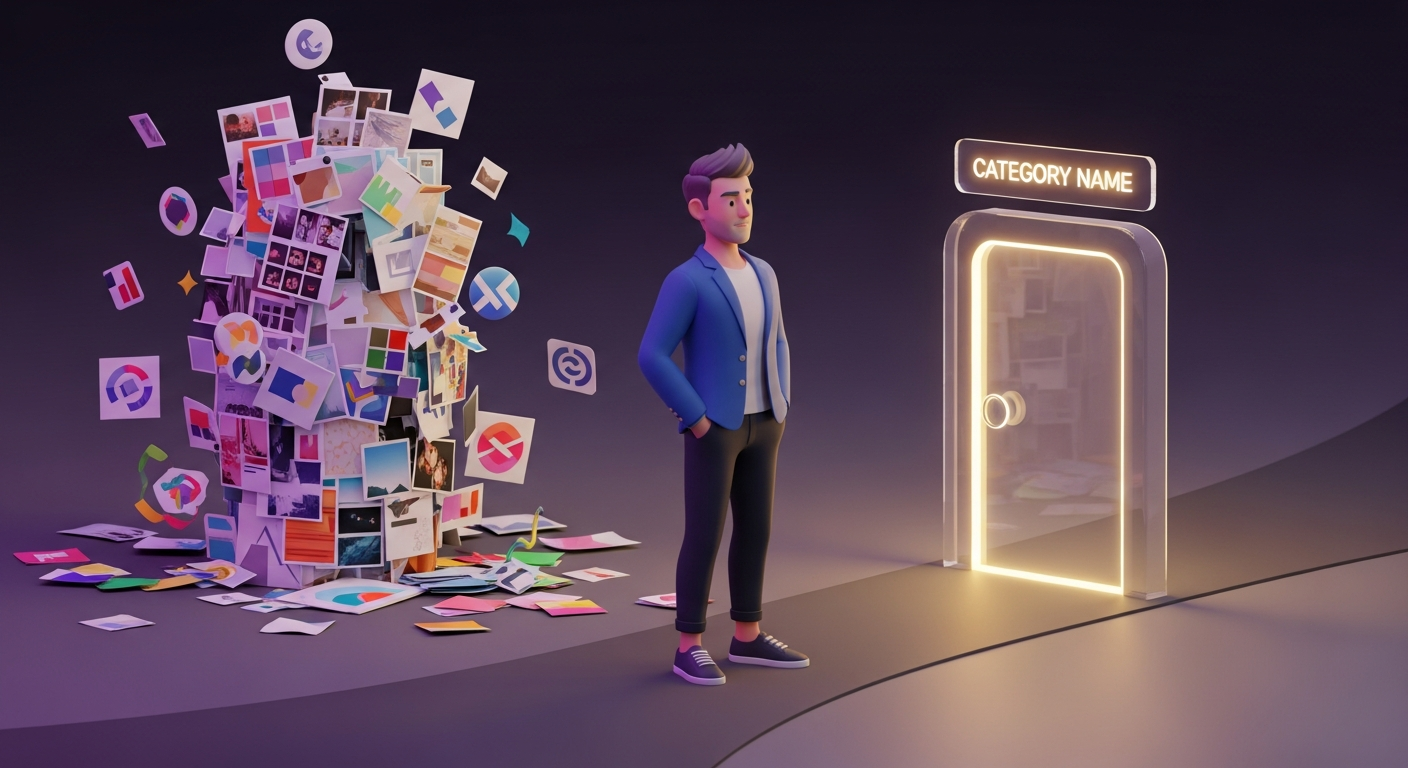
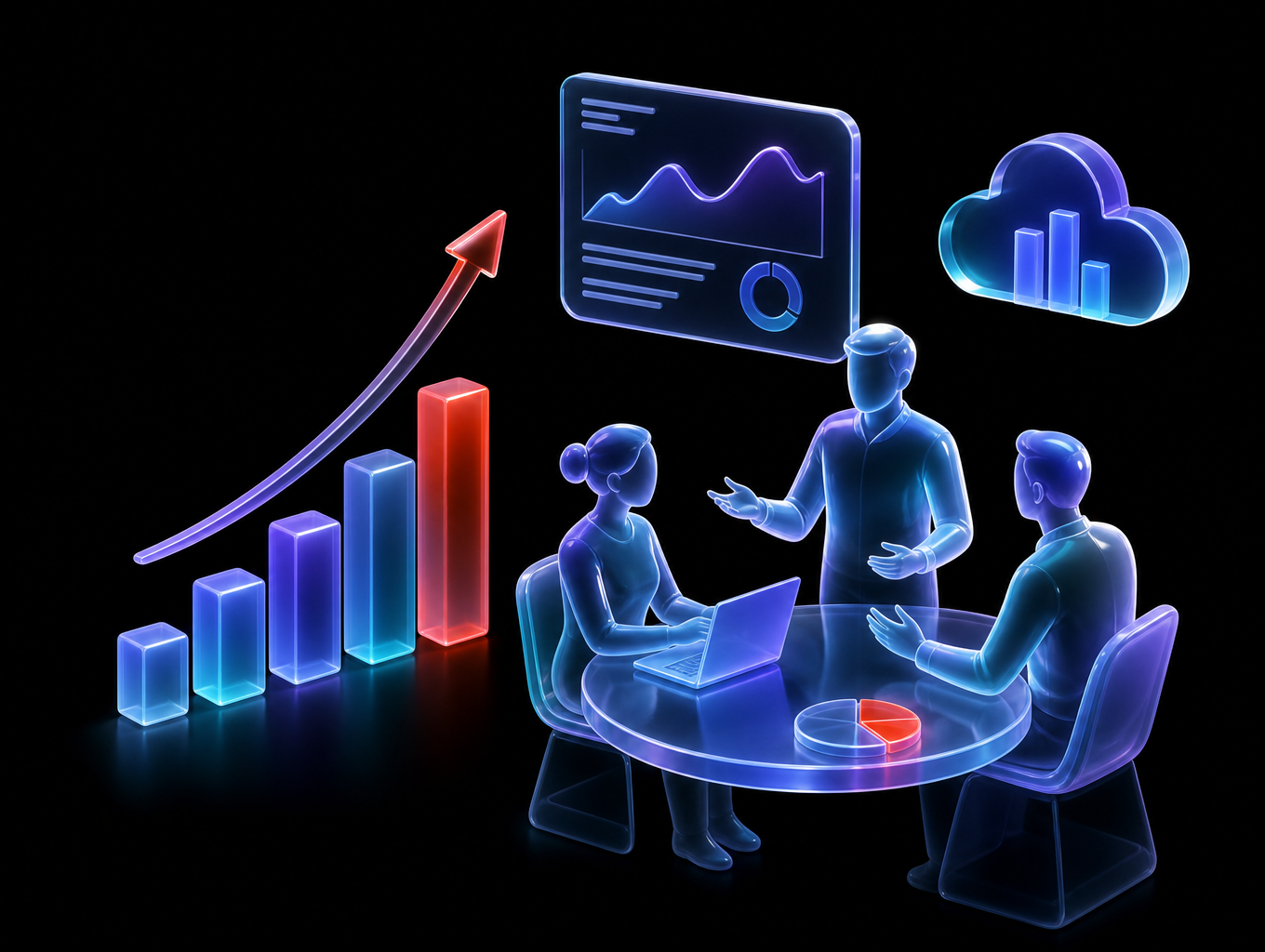
We're talking about how to make our advertising, content, and website conversion efforts work together as one system for growth. It's about moving beyond just getting leads and instead building real demand throughout the entire buyer's journey. This approach, known as full-funnel demand generation, is key for businesses that want predictable revenue and a stronger connection with their customers.
Key Takeaways
- Full-funnel demand generation focuses on creating and nurturing interest from the very first touchpoint, not just capturing existing demand.
- We need to align our advertising, content creation, and website optimization efforts to work in harmony across all stages of the buyer's journey.
- Building awareness at the top of the funnel with valuable content is just as important as converting leads at the bottom.
- A successful system requires clear definitions of buyer stages, automated nurture paths, and consistent messaging.
- Measuring success across the entire funnel, not just at the end, is vital for continuous improvement and building a predictable revenue engine.
Understanding The Core Principles Of Full-Funnel Demand Generation
Defining Demand Generation Versus Lead Generation
We often see the terms "demand generation" and "lead generation" used like they're the same thing. They're not. Lead generation is about grabbing immediate interest, usually from people already looking for a solution. Think of it as fishing with a net – you catch what's already swimming by. It's often short-term, focused on quick wins, and can lead to higher costs per customer if you're not careful. We've seen it time and again: a focus solely on lead gen can mean missing out on a much larger audience.
Demand generation, on the other hand, is a longer game. It's about building desire and interest before someone even knows they have a problem or need a solution. We're talking about creating the market, not just capturing a piece of it. This involves educating potential customers, establishing our brand as a thought leader, and building relationships over time. It’s more like cultivating a garden – you plant seeds, nurture them, and eventually, you get a harvest. This shift from capturing existing demand to creating new demand is the bedrock of a successful full-funnel strategy.
The Strategic Imperative of a Full-Funnel Approach
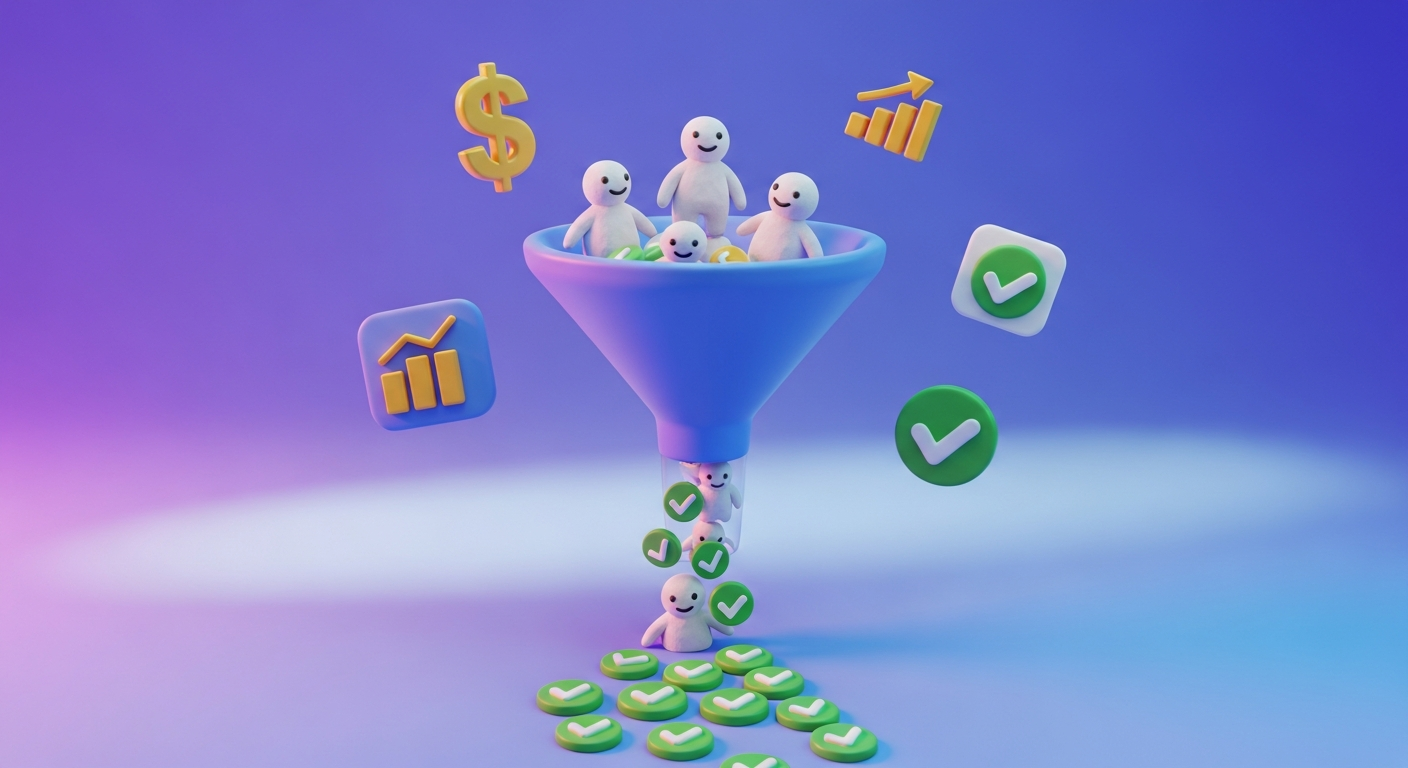
Why bother with this whole "full-funnel" thing? Because the old ways just don't cut it anymore. Buyers are smarter, more informed, and they don't follow neat, linear paths. They research, they compare, they get recommendations, and they might not even realize they need what we offer until much later. A full-funnel approach acknowledges this messy reality. It means we're present and providing value at every single touchpoint, from the first time someone hears our name to the moment they become a loyal customer and even an advocate.
This isn't just about filling a pipeline; it's about building a predictable revenue engine. We're talking about:
- Creating awareness: Getting our brand in front of the right people, even if they aren't actively searching.
- Building consideration: Educating them about their problems and how we can help, without a hard sell.
- Driving decision: Providing the proof and confidence they need to choose us.
- Fostering loyalty: Turning customers into repeat buyers and brand champions.
Without this holistic view, we're leaving money on the table and relying on tactics that are becoming less effective by the day.
Why Traditional Funnels Are Failing Modern Buyers
Let's be honest, the classic sales funnel – Awareness, Interest, Desire, Action (AIDA) – feels a bit dated. It assumes a buyer's journey that's too simple, too linear. Modern buyers don't just move from one stage to the next in a straight line. They jump around, they loop back, they consult peers, and they do a ton of research independently. They're often deep into their research before they even talk to sales.
Traditional funnels often focus too heavily on the "Action" stage, pushing for a sale before the buyer is truly ready. This can feel intrusive and damage trust. We've found that many companies still operate with this mindset, focusing on generating a high volume of leads, hoping a few will convert. But this approach often results in:
- Low conversion rates because leads aren't properly nurtured.
- A disconnect between marketing efforts and actual sales outcomes.
- Missed opportunities with buyers who weren't ready for a hard sell but could have been influenced earlier.
The buyer's journey today is complex and non-linear. Our marketing strategies need to reflect that complexity, meeting buyers where they are, not where we wish they were. This requires a shift from interruptive tactics to value-driven engagement across all stages.
Architecting Your Full-Funnel Demand Generation Engine
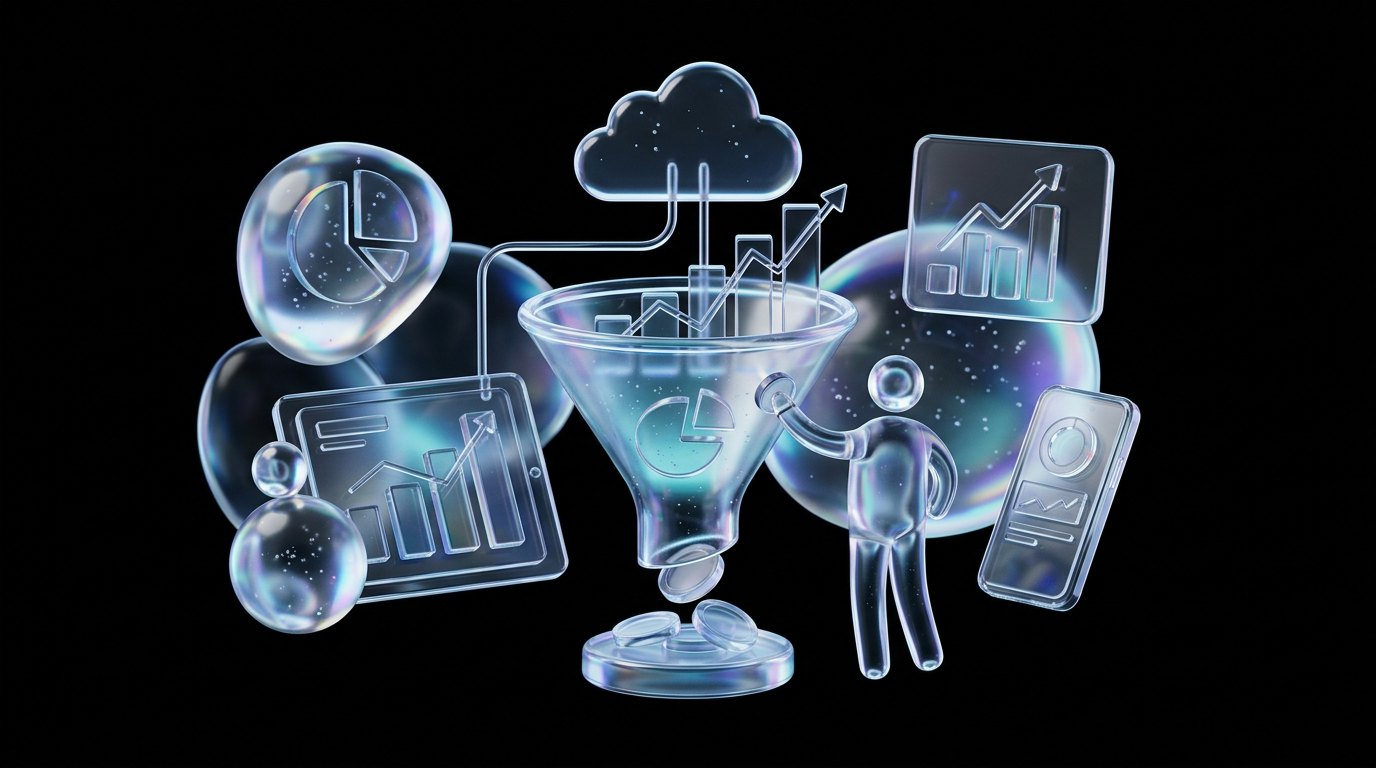
Building a system that consistently brings in new business isn't about random acts of marketing. It's about constructing a deliberate engine, a well-oiled machine designed for predictable growth. This requires a strategic blueprint, moving beyond isolated tactics to create a cohesive flow that guides potential customers from initial awareness all the way to becoming paying clients. We need to establish the core components that will power this engine, ensuring every part works in harmony.
Establishing Foundational Data and Cross-Functional Alignment
Before we can build anything, we need a solid base. This means getting our data in order and making sure everyone involved is on the same page. Without clean, accessible data, any system we build will be shaky. We also need marketing and sales teams to work together, not in separate silos. This alignment is key to understanding the buyer's journey and ensuring a smooth experience for them.
- Data Audit: We must first assess our current data quality and identify gaps. This includes customer information, engagement history, and campaign performance.
- Technology Stack Review: Evaluate the tools we use for CRM, marketing automation, and analytics to ensure they integrate effectively.
- Cross-Functional Workshops: Bring together marketing, sales, and even customer success teams to define shared goals and understand each other's roles.
A unified view of the customer, powered by integrated data, is the bedrock upon which a successful demand generation engine is built. Without it, we're essentially trying to build a skyscraper on sand.
Defining Clear Lifecycle Stages and Handoff Protocols
Once the foundation is set, we need to map out the journey. What does a customer's lifecycle look like with us? We need to define distinct stages, from someone just hearing about us to someone ready to buy. More importantly, we need clear rules for when and how marketing hands off a prospect to sales, and vice versa. This prevents leads from falling through the cracks.
- Stage Definition: Clearly outline each phase (e.g., Awareness, Consideration, Decision) with specific criteria for moving between them.
- Service Level Agreements (SLAs): Establish formal agreements between marketing and sales regarding lead follow-up times and qualification standards.
- Handoff Process: Document the exact steps and information required when a lead moves from marketing to sales.
Mapping Content and Campaigns to Buyer Journey Milestones
Every interaction a potential customer has with us should be relevant to where they are in their journey. This means creating or curating content that speaks directly to their needs and questions at each stage. Our campaigns need to be designed with these milestones in mind, ensuring we're providing the right message at the right time. This approach helps build trust and keeps prospects engaged, moving them closer to a decision. We aim to be a helpful resource throughout their research process, not just another vendor pushing a product. This is how we build demand that aligns with how B2B SaaS buyers conduct their research, ultimately connecting to pipeline growth [5a4f].
Cultivating Top-Of-Funnel Awareness and Engagement
At the very beginning of our buyer's journey, our main objective is to cast a wide net. We aim to educate and attract a broad audience who might be experiencing a problem our solution addresses. This is the stage where we build brand recognition and establish ourselves as knowledgeable voices in our industry. We are not selling here; we are shaping perception.
Creating Value-Driven Thought Leadership Content
Our content at this stage must be about providing genuine value, not about pushing our products. We need to create pieces that answer real questions our audience has and help them understand the challenges they face and the outcomes they should aim for. Think blog posts that explain industry trends, infographics that simplify complex data, or short videos that offer quick tips.
- Blog Posts: Address common pain points and offer actionable advice.
- Infographics: Visualize data and trends to make them easily digestible.
- Short Videos: Provide quick, engaging tips or explanations.
- Industry Reports: Offer in-depth analysis and insights.
Leveraging Multi-Channel Distribution Strategies
Once we have great content, we need to get it in front of the right people. This means using a variety of channels to reach our audience where they are. We can't just rely on one platform. We need to be present across the board.
- LinkedIn: Share articles, post updates, and engage in relevant groups.
- Search Engines (SEO): Optimize our content so people find us when they search for solutions.
- Industry Publications: Contribute guest posts or articles to relevant sites.
- Paid Promotion: Use targeted ads on platforms like LinkedIn to boost visibility for key content pieces.
Identifying and Measuring Early Intent Signals
Even at the top of the funnel, we can start to see who is paying attention. We need to track engagement to understand what topics are resonating and who is showing interest. This data will be important later for nurturing.
- Website Traffic: Monitor the number of visitors and where they come from.
- Content Engagement: Track likes, shares, comments, and time spent on page.
- Repeat Visits: Note if individuals are coming back to our site.
- Social Media Reach and Impressions: See how many people are seeing our content.
We are not trying to close deals at this stage. Our focus is on building awareness and establishing credibility. The goal is to be seen as a helpful resource, not a salesperson. This approach builds trust from the very first interaction.
Nurturing Middle-Of-Funnel Intent Towards Readiness
Once prospects know about us and the problem we solve, we shift our focus to building trust and showing them why our solution is the right choice. This middle part of the funnel is where interest starts turning into real intent. We need a structured way to guide them, using what we know about them to make our communications feel personal and helpful.
Implementing Segmentation for Personalized Nurture Journeys
We can't treat everyone the same. By grouping contacts based on shared characteristics, we can send them content that actually speaks to their specific situation. This makes our outreach feel less like a broadcast and more like a helpful conversation.
- Industry: Different sectors have unique challenges and needs.
- Job Role: What matters to a CEO is different from what matters to a marketing manager.
- Pain Point: Addressing the specific problems they're trying to solve.
- Previous Interactions: What content have they consumed? What events have they attended?
- Lead Source: Where did they come from? This can indicate initial interest.
Automating Educational Content Delivery
We use automation to send out a series of helpful materials over time. This keeps us top-of-mind and educates prospects without us having to manually send each email. It's about providing value consistently, building credibility with each touchpoint.
- Comparison Guides: Helping prospects weigh their options.
- Webinar Invitations: Offering deeper dives into specific topics or solutions.
- Feature Explainers: Detailing how our product addresses their needs.
This consistent delivery of relevant information helps prospects move from a general awareness of their problem to a specific consideration of our solution. It's about building a relationship based on helpfulness and demonstrating our understanding of their business.
Utilizing Case Studies and Webinars for Deeper Engagement
To really solidify trust, we show them proof. Case studies demonstrate how we've helped others just like them achieve success. Webinars allow for real-time interaction, where we can answer questions and showcase our knowledge directly. These methods provide tangible evidence and a more interactive experience, moving prospects closer to making a decision.
Converting Demand Into Revenue At The Bottom Of Funnel
At this stage, we're talking about buyers who have moved past general interest and are actively evaluating solutions. Our focus shifts from broad awareness to specific conversion. We need to make it as easy as possible for them to choose us.
Deploying Account-Based Marketing Campaigns
For accounts showing high intent, we deploy targeted Account-Based Marketing (ABM) campaigns. This isn't about casting a wide net; it's about precision. We identify key accounts that fit our Ideal Customer Profile (ICP) and are showing buying signals. Then, we tailor our messaging and outreach specifically to their industry, pain points, and roles within the organization. This might involve personalized ads, direct mail, or coordinated sales and marketing outreach.
Optimizing Demo Conversion Paths with Urgency and Proof
When a prospect is ready for a demo, the path must be clear and compelling. We avoid generic calls to action. Instead, we use specific, benefit-driven language that highlights what they'll gain. Offering a demo should feel like the logical next step towards solving their problem, not just another sales pitch. We incorporate elements of urgency, perhaps by highlighting limited-time offers or upcoming product updates, and provide social proof through testimonials or case study snippets directly within the conversion path. This builds confidence and reduces hesitation.
Leveraging ROI Calculators and Total Cost of Ownership Tools
To address the financial concerns of decision-makers, we provide tools that quantify the value proposition. ROI calculators and Total Cost of Ownership (TCO) tools are invaluable here. They allow prospects to input their own data and see tangible financial benefits of adopting our solution. This moves the conversation from features to financial outcomes, which is critical for securing buy-in from stakeholders like CFOs. These tools help validate their decision and justify the investment.
- Personalized Financial Projections: Tailor calculations based on prospect's industry and size.
- Clear Break-Even Analysis: Show how quickly the investment pays for itself.
- Comparative Costing: Illustrate savings compared to alternatives or the status quo.
Providing clear, data-driven financial justification at this stage significantly de-risks the buying decision for prospects. It transforms abstract benefits into concrete, quantifiable value, making the choice to move forward much simpler and more confident.
We must ensure that our bottom-of-funnel efforts are aligned with sales enablement, providing them with the resources and insights needed to close deals effectively. This includes equipping them with role-specific assets that speak directly to the concerns of different stakeholders within the buying committee. For example, a CFO might need detailed ROI projections, while an IT manager might require security and integration documentation. By offering this level of tailored support, we accelerate the sales cycle and increase our win rates, turning demand into measurable revenue. This entire process is part of building a robust demand generation funnel that consistently feeds our growth engine.
Integrating Advertising Into The Full-Funnel Ecosystem
Bringing paid media into our full-funnel demand system is more than just boosting posts and running retargeting ads. It’s about making ads a connected part of every stage—so we’re growing awareness, shaping intent, and driving conversions in a single, connected cycle that we can measure.
AI Visibility as the New Discovery Layer
AI-driven search and recommendations now shape how buyers discover products. We can’t rely only on classic ads or SEO—we need to show up where AI and algorithms push conversations and products. This means:
- Developing content recognized by AI crawlers and summary engines
- Using data to inform keywords, topics, and ad creative for visibility
- Testing new AI ad formats (like chat-based placements or dynamic summaries)
The rise of AI platforms means appearing in answers, suggestions, and AI-curated feeds is the new top-of-funnel edge.
Paid Media's Role in Driving Traffic and Engagement
Paid advertising doesn’t just create clicks—it fills gaps left by organic and moves buyers from passive scrolling to active engagement. Our tactics vary by stage:
We tailor messaging and creative for each stage, using granular audience targeting and intent data to keep spend efficient.
Retargeting Strategies Across Funnel Stages
Following up with prospects who have interacted with our brand requires precision. It’s not just about bombarding buyers with the same offer. We:
- Segment retargeting lists by page views, actions taken, or time spent
- Match ad messages to content previously viewed
- Use sequential remarketing—for example, showing a case study after someone reads a product page, then surfacing a demo invite
This way, we avoid ad fatigue and keep each touch relevant—giving prospects reasons to move to the next step, rather than tuning out.
When ad campaigns, content, and conversion offers are built as a single funnel system, advertising spend turns into compound growth rather than isolated bursts. The result? More qualified traffic, higher engagement, and a tighter link from awareness all the way to revenue.
Optimizing Conversion Rates Across The Entire Funnel
We must focus on making every interaction count, from the first touchpoint to the final decision. This means meticulously mapping our landing pages to specific points in the buyer's journey. A generic landing page simply won't cut it when a prospect is deep in evaluation. We need pages that speak directly to their current needs and stage of consideration. Think about it: someone researching solutions needs different information than someone ready to compare vendors.
Mapping Landing Pages to Specific Funnel Stages
Our landing pages need to be as specialized as our content. For top-of-funnel (TOFU) visitors, the goal is engagement and information gathering. Pages here should offer high-level insights, perhaps linking to blog posts or introductory guides. As prospects move to the middle of the funnel (MOFU), pages should facilitate deeper dives. This could involve offering case studies, webinar recordings, or detailed product feature breakdowns. At the bottom of the funnel (BOFU), pages must accelerate decision-making. This is where we present pricing, ROI calculators, and clear calls to action for demos or consultations. Each landing page should serve a distinct purpose aligned with the buyer's intent at that moment.
Implementing Lead Scoring and CRM Workflows
Not all leads are created equal, and our systems must reflect that. We implement lead scoring models that assign points based on engagement and demographic fit. This isn't just about counting clicks; it's about identifying genuine buying intent. When a lead hits a predefined score, it triggers automated workflows in our CRM. These workflows might notify sales, assign the lead to a specific rep, or initiate a personalized follow-up sequence. This ensures that sales teams focus their efforts on the most promising prospects, preventing valuable leads from going cold.
Designing Offer Matrices for Continuous Testing
We view our demand generation efforts as a product that requires constant iteration. A key part of this is our offer matrix. This is a structured approach to testing different value propositions at various funnel stages. We experiment with various content formats, gated assets, and calls to action to see what performs best. For instance, at MOFU, we might test a comparison guide against a webinar invitation. At BOFU, we could compare a demo request with an offer for a custom ROI analysis. This systematic testing allows us to refine our approach and continuously improve conversion rates across the board. We've found that understanding demand generation vs lead generation helps clarify our capture vs creation metrics.
We must treat our demand generation system not as a static campaign, but as a dynamic product. This means embracing continuous testing, data analysis, and iterative improvements to ensure we are always optimizing for conversion and revenue impact. Our goal is to build a predictable revenue engine, not just a series of disconnected marketing activities.
We track key transitions like Lead to MQL, MQL to SQL, and SQL to Opportunity. Monitoring these conversion rates helps us pinpoint where leads might be getting stuck. If we see a drop-off between stages, we investigate the cause and adjust our content, offers, or follow-up processes accordingly. This data-driven approach allows us to identify and fix funnel leaks, ensuring a smoother flow towards revenue. We can discover ten practical strategies to optimize your conversion funnel by focusing on these areas.
Measuring Success and Iterating Your Demand Generation System
We must treat our demand generation efforts not as a static campaign, but as a dynamic system that requires constant attention and refinement. Without clear metrics and a structured approach to iteration, we risk investing resources in activities that don't truly move the needle. Our focus must shift from vanity metrics to those that directly impact business outcomes.
Defining Success Metrics by Funnel Stage
To understand performance, we need to break down success by where a prospect is in their journey. This allows for targeted analysis and adjustments. Simply looking at overall conversion rates can mask significant issues at specific stages.
- Top-of-Funnel (TOFU): Here, we're interested in reach and initial engagement. Key indicators include website traffic, social media interactions, and brand mentions. We want to see if our content is being seen and if it sparks initial interest.
- Middle-of-Funnel (MOFU): As prospects move deeper, we track their engagement with our educational content. Metrics like content download rates, webinar registrations, and email click-throughs are important. We're assessing if our content is educating and moving them towards consideration.
- Bottom-of-Funnel (BOFU): This is where demand starts to convert into potential revenue. We monitor metrics such as demo requests, qualified lead conversion rates, and pipeline value generated. The ultimate goal is to see a clear progression of qualified leads moving towards sales opportunities.
Treating Demand Generation as a Product for Iteration
Viewing demand generation as a product means we adopt a mindset of continuous improvement. Just as a software product is updated based on user feedback and performance data, our demand generation engine should be regularly reviewed and optimized. This involves:
- Regular Testing: We must consistently test different ad creatives, messaging, and offers across all funnel stages. What works today might not work tomorrow.
- Performance Audits: Weekly or bi-weekly audits of key performance indicators are necessary. This allows us to quickly identify underperforming areas and reallocate resources.
- Feedback Integration: Incorporating feedback from sales and customer success teams is vital for understanding lead quality and buyer sentiment.
The most effective approach involves treating demand generation like a product. This means we are constantly iterating, testing new ideas, and refining our processes based on data. It's not a set-it-and-forget-it operation; it's a living, breathing system designed for predictable growth.
Establishing Marketing and Sales Feedback Loops
Alignment between marketing and sales is not optional; it's a requirement for a functioning demand generation system. We need structured ways for these teams to communicate and share insights.
- Regular Cadence Meetings: Schedule recurring meetings where marketing shares campaign performance and insights, and sales provides feedback on lead quality and conversion challenges.
- Shared Dashboards: Implement shared dashboards that provide visibility into key metrics across the funnel, allowing both teams to see the impact of their efforts.
- Defined Handoff Protocols: Clearly defined processes for when and how leads are passed from marketing to sales, including agreed-upon qualification criteria, are essential. This ensures no opportunity falls through the cracks and that sales has the context they need. Understanding the essential demand generation metrics that forecast revenue is key to this alignment.
Overcoming Challenges in Full-Funnel Demand Generation Adoption
Transitioning to a full-funnel demand generation approach isn't known for being easy, but we firmly believe the payoff is worth the effort. When we’re serious about building long-term, scalable growth, we have to face the realities—budgeting headaches, measurement confusion, executive skepticism, and the age-old marketing vs. sales divide. Below, we break down the most common barriers and what we can actually do about them.
Addressing Budget Constraints and Attribution Complexity
It’s tough to convince people to invest in something long-term when short-term tactics feel safer. Most CMOs report their budget falls short for ambitious demand generation.
We’ve found these steps deliver real results:
- Launch a test project focused on a single segment, then share those outcomes to inspire confidence.
- Switch to attribution methods that account for more than just last-click, so decision-makers see the bigger revenue picture—not just leads.
- Show how fixing low lead volume and quality up front saves time and money later in the funnel.
By reframing investment as a pipeline multiplier rather than a sunk cost, we tip the conversation toward value, not just expense.
Securing Executive Buy-in for Long-Term Strategies
Leadership teams want solid proof that full-funnel demand generation helps bring in revenue—not just leads that look promising on a dashboard. How do we bring them onboard?
- Build a strong, data-driven business case that shows long-term benefits (lower cost per customer, better retention, real ROI).
- Share results from initial, focused demand gen pilots instead of asking for a blank-check rollout.
- Communicate consistently using business impact terms—linking demand gen efforts directly to pipeline growth and closed deals.
Breaking Down Internal Silos Between Marketing and Sales
If sales and marketing aren’t aligned, messages get mixed and leads get lost. Siloed teams create roadblocks nobody has time for.
Main methods for aligning these teams:
- Establish shared goals and KPIs, specific to joint outcomes like revenue, not just MQLs.
- Set up clear, consistent handoff protocols for leads, including feedback loops for quality and fit.
- Use regular syncs between marketing and sales so both sides learn what’s actually moving the needle.
We don’t solve this overnight, but by making collaboration a habit—not a quarterly workshop—we bridge the gap and build a smoother journey for every buyer.
All in all, overcoming these adoption challenges means keeping things practical, transparent, and focused on pipeline impact above vanity metrics. It’s not effortless, and it’s never perfect from the start, but that’s what makes improvement ongoing—and compounding—over time.
The Future Evolution of Full-Funnel Demand Generation
The landscape of B2B marketing is not static; it's a dynamic environment that demands continuous adaptation. As we look ahead, the principles of full-funnel demand generation will become even more integrated and sophisticated. We anticipate a significant shift towards systems that are not only data-driven but also deeply intuitive, anticipating buyer needs before they are explicitly stated. This evolution is less about adopting new tactics and more about refining the underlying engine that powers predictable revenue growth.
The Impact of AI on Buyer Discovery and Engagement
Artificial intelligence is poised to revolutionize how we discover and engage with potential buyers. AI-powered tools will move beyond simple intent signals to predict future needs and behaviors with remarkable accuracy. Imagine systems that can identify a company's upcoming challenges based on industry trends and internal data, then proactively serve relevant content that positions our solutions as the answer. This predictive capability will allow us to move from reactive engagement to proactive relationship building. This proactive approach will redefine what it means to be present and helpful throughout the buyer's journey. We'll see AI assisting in personalizing content at scale, optimizing ad spend in real-time, and even suggesting the next best action for sales teams. Exploring the latest demand generation tools can provide a glimpse into these advancements.
Building Predictable Revenue Engines Through Systemic Optimization
Our focus will increasingly shift from campaign-centric thinking to building robust, systemic engines for revenue generation. This means treating demand generation as a product in itself, one that requires continuous iteration and improvement. We will achieve predictability by deeply understanding the interconnectedness of each stage of the funnel and optimizing the handoffs between them. This involves:
- Data Integration: Breaking down data silos to create a unified view of the buyer across all touchpoints.
- Process Automation: Automating repetitive tasks and workflows to free up human resources for strategic initiatives.
- Performance Measurement: Establishing clear, stage-specific KPIs that track progress towards revenue goals, not just vanity metrics.
- Feedback Loops: Implementing robust feedback mechanisms between marketing, sales, and customer success to identify bottlenecks and opportunities for improvement.
The future of demand generation lies in creating a self-optimizing system. By focusing on the interconnectedness of all activities and leveraging data to inform every decision, we can build a predictable engine that consistently drives revenue. This requires a commitment to continuous learning and adaptation.
The Compounding Returns of a Long-Term Demand Generation Mindset
Adopting a long-term perspective is paramount. The most significant gains in demand generation come not from isolated, short-term campaigns, but from the compounding returns of a consistently applied, full-funnel strategy. This approach builds brand equity, cultivates trust, and establishes thought leadership over time. It's an investment in relationships, not just transactions. As we move forward, we must resist the temptation of quick wins that may compromise long-term growth. Instead, we will prioritize building a sustainable demand generation engine that delivers increasing value and predictable revenue, much like compounding interest builds wealth over decades. This requires patience, strategic alignment, and a commitment to nurturing buyer relationships from initial awareness through to advocacy.
As we look ahead, how we get customers interested is changing. It's not just about shouting into the void anymore. We need smarter ways to connect with people at every step, from the first time they hear about us to when they decide to buy. This means using new tools and ideas to make sure we're always reaching the right people with the right message. Want to see how your business can get ahead? Visit our website to learn more about building a better way to attract and keep customers.
The System That Builds Revenue
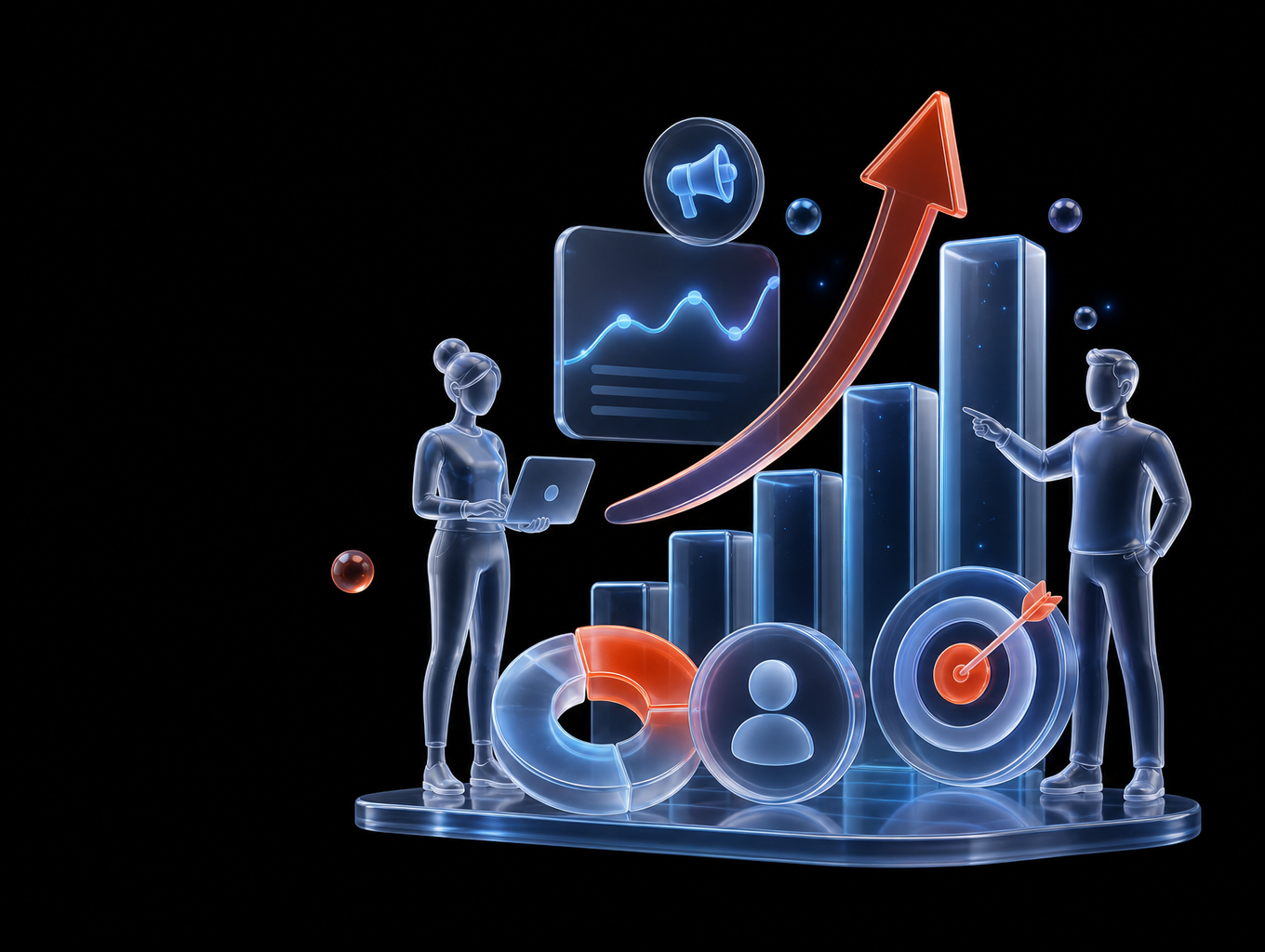
We've shown how connecting ads, content, and CRO creates a unified growth system. This isn't about isolated tactics; it's about building a predictable revenue engine. By understanding and engaging buyers at every stage, from initial awareness to final decision, we move beyond simply generating leads. We cultivate demand, build trust, and guide prospects toward becoming loyal customers. This full-funnel approach aligns with how modern buyers operate, transforming marketing from a cost center into a powerful driver of sustainable business growth.
Frequently Asked Questions
What is the main difference between demand generation and lead generation?
Think of it this way: lead generation is like trying to catch fish that are already swimming around, looking for bait. Demand generation is about making sure there are more fish in the pond in the first place, and that they're interested in what you have to offer. We focus on creating interest and desire for what we sell, even before someone starts looking for it. Lead generation is more about grabbing people who are already searching for a solution right now.
Why is a full-funnel approach better than just focusing on the bottom of the funnel?
Customers today do their homework before they even talk to sales. They might be learning about a problem, checking out different ideas, and then comparing solutions. If we only focus on the bottom part where they're ready to buy, we miss chances to connect with them earlier. A full-funnel approach means we're there to help them at every step, building trust and showing them we understand their needs, which makes them more likely to choose us when they are ready.
How do we get people to notice us when they're using AI tools for research?
It's true, people are using AI like ChatGPT to find answers. We need to make sure our valuable information shows up there. This means creating great content that answers common questions and problems. When our content is easily found and helpful in these new discovery places, people are more likely to click through and learn about us, even before they visit our website.
How does advertising fit into this full-funnel system?
Ads are a key part of getting people to discover us and then bringing them into our system. We use ads to build awareness at the top, to bring people back to our site if they've visited before (retargeting), and to show specific offers to people who are further down the buying path. When ads work together with our content and website experience, they become much more effective at moving people through the entire journey.
What's the most important thing for making our website convert visitors into leads or customers?
We need to make sure our website pages match exactly where someone is in their buying journey. A page for someone just learning about a problem should be different from a page for someone comparing products. We also use things like lead scoring to know who is really interested and set up automated emails to guide people with the right information at the right time. Testing different offers and messages helps us improve all the time.
How do we know if our full-funnel strategy is actually working?
We measure success at each stage of the funnel. For the top, we look at how many people see our content and engage with it. For the middle, we check how many people download things or convert on forms. For the bottom, we see how many become qualified leads or turn into customers. It's not just about getting lots of leads, but about moving people through the whole process effectively and turning them into revenue.
What are the biggest challenges when trying to use a full-funnel approach?
Sometimes it's hard to get enough money for long-term strategies because people want quick results. It can also be tricky to track exactly which marketing efforts led to a sale when there are many interactions. Getting everyone, especially sales and marketing teams, to work together smoothly is another common hurdle. We overcome these by starting small with pilot programs, using better ways to track results, and clearly showing the long-term benefits to leadership.
Will AI change how we do demand generation in the future?
Absolutely. AI is already changing how people find information, and it will become even more important. We expect AI to help us understand buyers better, personalize our messages more effectively, and make our entire system run more smoothly. By using AI smartly, we can build even more predictable ways to grow our business and create a stronger revenue engine.




.png)





































.png)
.png)
.png)
.png)
.png)
.png)
.png)
.png)
.png)
.png)