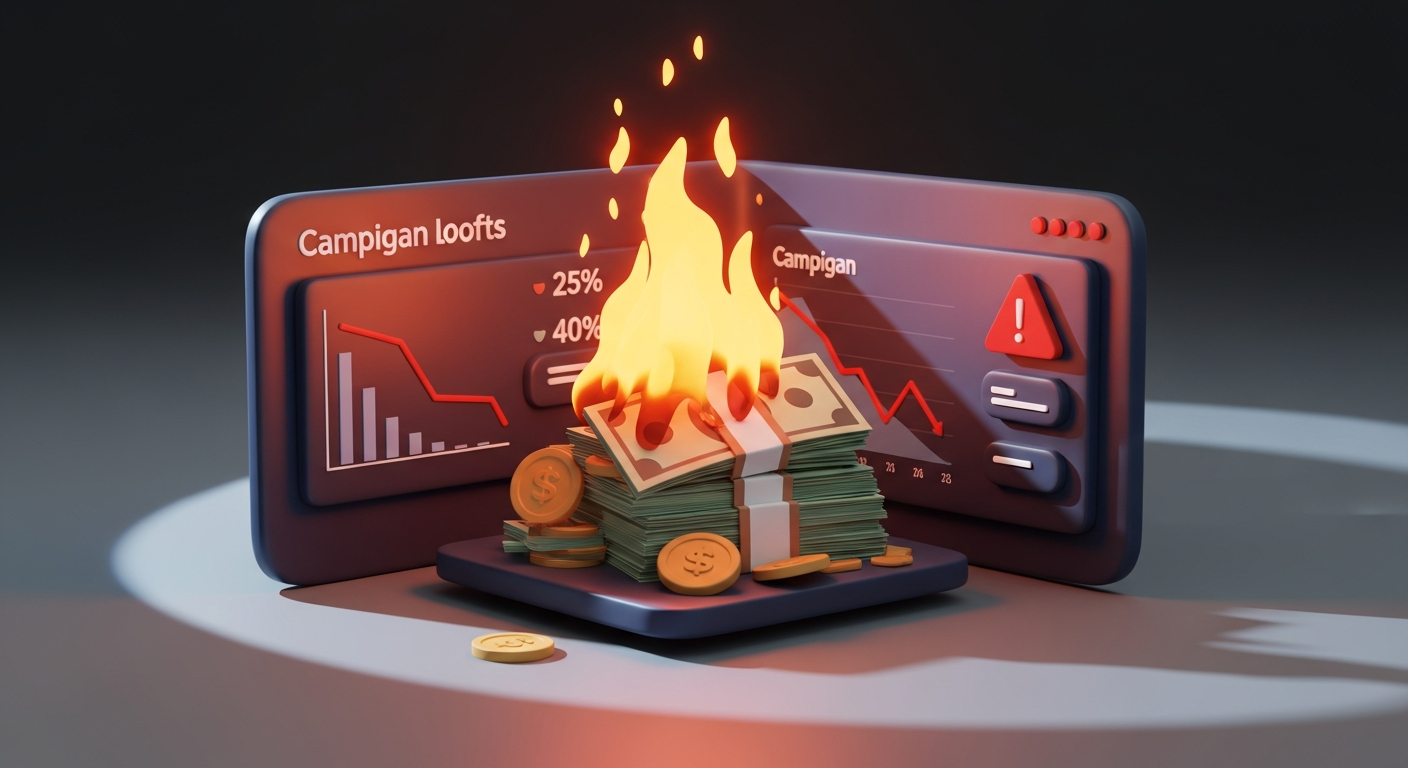
We're looking at how B2B SaaS demand generation is changing, especially as we head into 2026. It feels like things are moving faster than ever, with new tech popping up and buyers doing more research on their own before they even think about talking to sales. We've gathered some insights on what's really making a difference right now, moving beyond just getting names on a list to actually building relationships and showing value. It's a mix of smart tech, good content, and knowing exactly who you're talking to.
Key Takeaways
- Buyers are doing much more research on their own, often using AI tools, before they engage with sales. This means we need to be visible and helpful early in their journey.
- AI is becoming a big part of how buyers find solutions. Being visible in AI search and using AI to personalize our outreach is becoming really important for B2B SaaS demand generation.
- Creating helpful, educational content is now a primary sales tool. It builds trust and authority, which is key when buyers are sifting through lots of information.
- We need to focus on both creating new interest (demand creation) and capturing interest from people already looking for solutions (demand capture) in a coordinated way.
- Measuring success means looking beyond just lead numbers. We need to track things like how much pipeline we're building and how efficient our spending is to really know if our B2B SaaS demand generation efforts are working.
The Evolving Landscape Of B2B SaaS Demand Generation
Defining Demand Generation Beyond Traditional Lead Capture
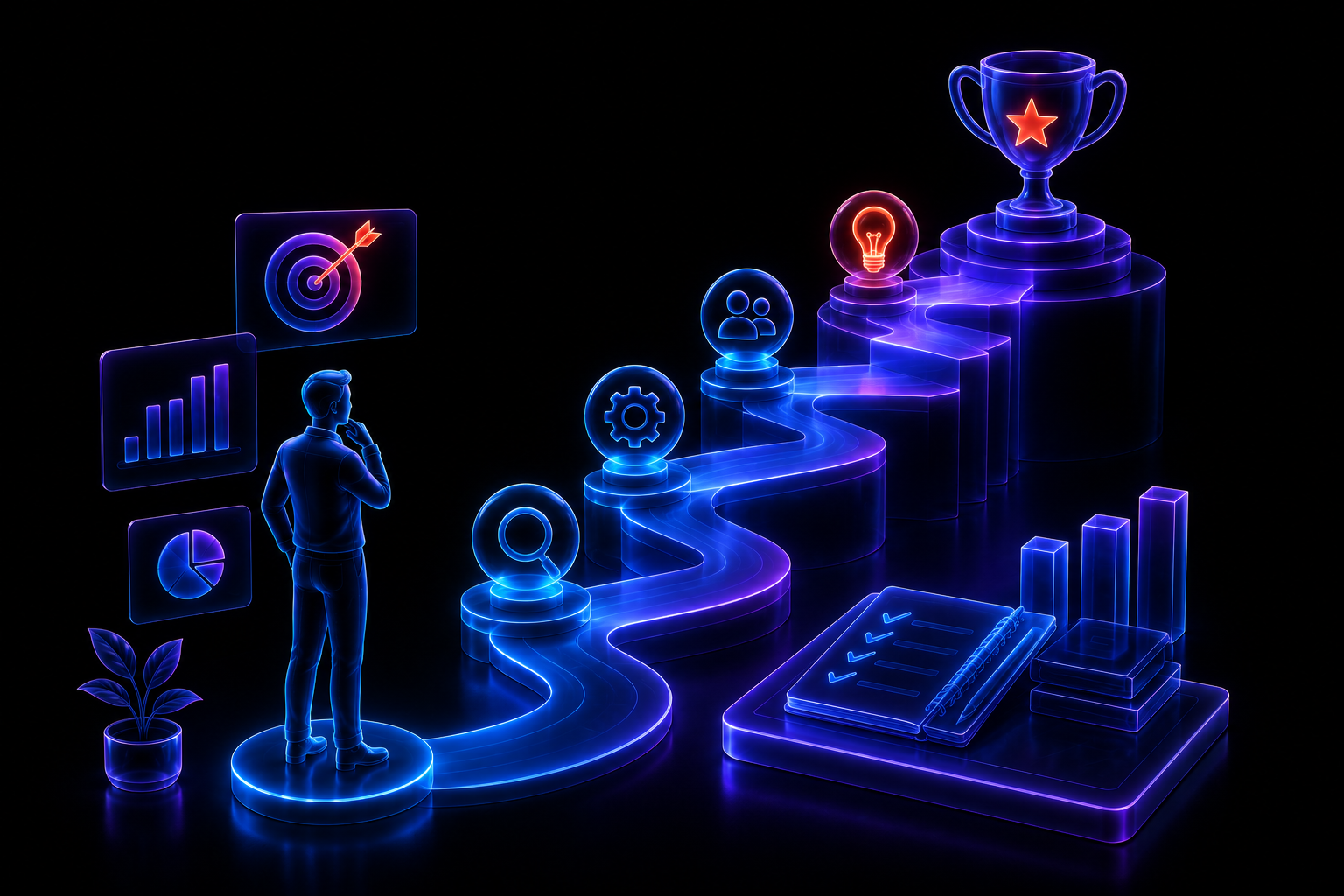
We need to talk about how demand generation has changed. It's not just about getting a name and an email anymore. That old way of thinking, where we just collected leads and hoped for the best, doesn't cut it in 2026. Today, demand generation is a much bigger picture. It’s about building awareness and educating potential customers long before they even think about buying. We’re talking about creating a need, or at least making sure people know about the problems our software solves and why our solution is the one they should consider. This shift means we’re focused on the entire buyer’s journey, not just the moment they fill out a form. It’s about building relationships and trust from the very first touchpoint.
- Focus shifts from quantity to quality of engagement.
- Emphasis on educating the market about problems and solutions.
- Building long-term brand recognition and thought leadership.
The Shift Towards Pre-Purchase Buyer Education
Buyers today are doing their homework. They consume a lot of information before they even talk to sales. We're seeing that buyers interact with 3 to 7 pieces of content before they even consider reaching out. This means our job is to be there, providing helpful, educational content that answers their questions and addresses their pain points. Think of it as being the go-to resource. We need to create content that genuinely helps them understand their challenges and explore potential solutions, positioning our product as the logical next step. This approach builds credibility and makes the sales process smoother when the time comes. It’s about being a partner in their research process, not just a vendor.
The modern B2B buyer is self-directed, armed with information, and often more knowledgeable than the average salesperson. Our demand generation efforts must reflect this reality by prioritizing education and value over aggressive sales tactics.
Navigating Increased Competition And Rising Costs
Let's be honest, the B2B SaaS space is crowded. Everyone is vying for attention, and that makes things more expensive. Marketing costs are going up, and it’s harder to stand out. This means we have to be smarter about where we spend our time and money. We can't afford to waste resources on strategies that don't work. We need to focus on precision, making sure our message reaches the right people at the right time. This requires a deep understanding of our ideal customer profile and using data to guide our decisions. It’s about getting more bang for our buck by being targeted and efficient. The goal is to optimize product data for algorithms that influence buying choices, ensuring we're visible when it matters most.
AI's Transformative Impact On Buyer Discovery
We're seeing a major shift in how buyers find and evaluate B2B SaaS solutions, and artificial intelligence is at the heart of it. It's not just about making existing processes faster; AI is fundamentally changing the discovery phase. AI visibility is rapidly becoming the new frontier of awareness. Companies that aren't visible in AI-driven searches are missing out on a huge chunk of potential buyers. A recent study found that 44% of B2B SaaS companies aren't showing up in searches conducted by AI tools, which is a massive missed opportunity [c26f].
AI Visibility As The New Frontier Of Awareness
Think about how people search today. Many are using AI-powered assistants or advanced search engines that synthesize information. This means traditional SEO is still important, but we also need to consider how AI models are indexing and presenting information. If your company's data and content aren't structured or accessible in a way that AI can easily process, you simply won't appear in these results. This isn't about gaming algorithms; it's about providing clear, structured, and helpful information that AI can understand and relay to users. We need to be thinking about how our content is consumed not just by humans, but by the AI systems that are increasingly mediating buyer research.
Leveraging AI For Hyper-Personalized Buyer Journeys
AI allows us to move beyond broad segmentation and create truly individualized experiences. By analyzing vast amounts of data – from website interactions to third-party intent signals – AI can predict what a specific buyer needs, when they need it, and how they prefer to receive information. This means tailoring content, product recommendations, and even outreach messages with a level of precision that was previously impossible. Imagine a buyer researching a specific problem; AI can identify this intent and serve them content that directly addresses their pain points, at the exact moment they are most receptive. This hyper-personalization makes the buyer feel understood and significantly shortens the path to conversion.
Integrating AI Into The Revenue Engine
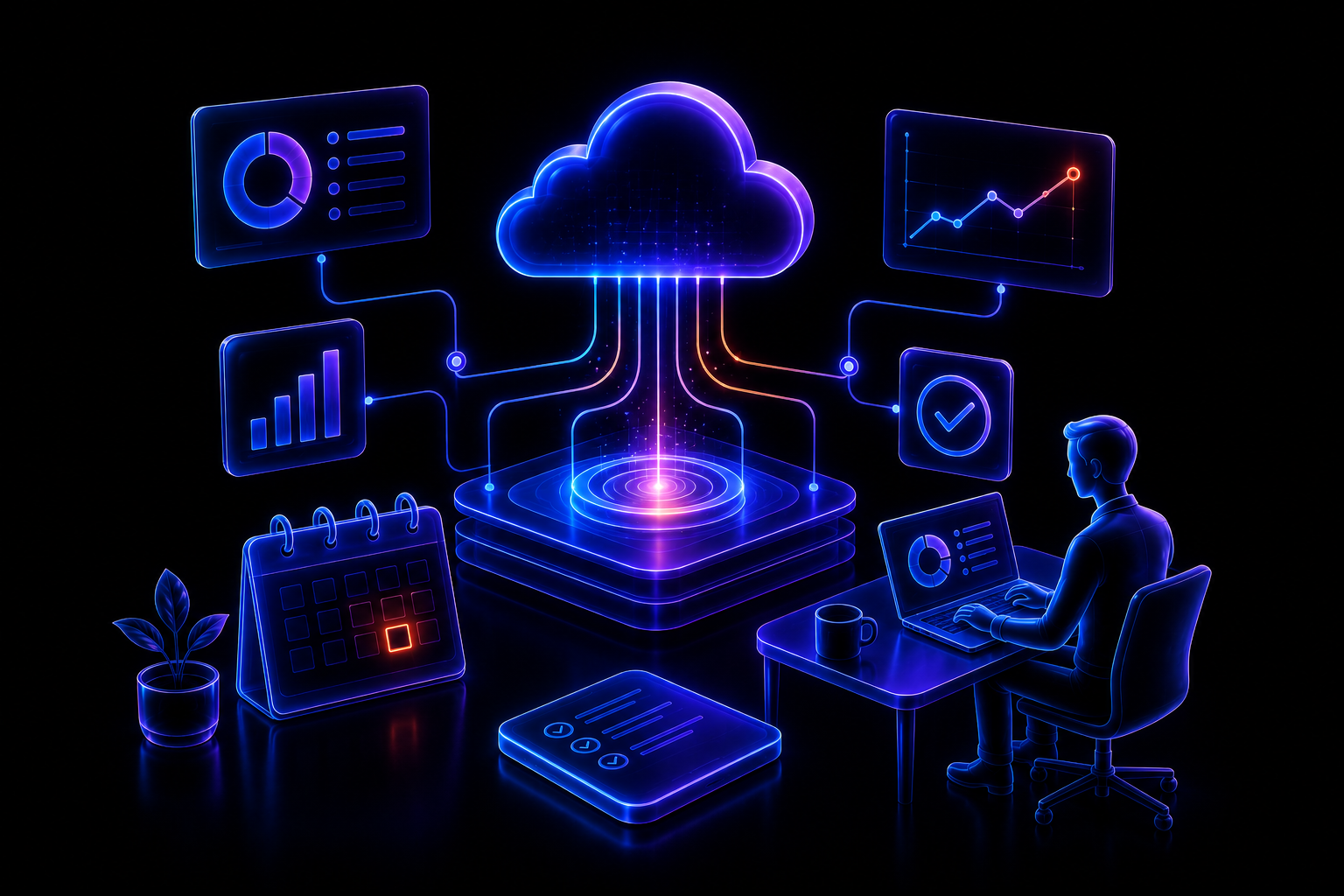
AI isn't just a marketing tool; it's becoming an integral part of the entire revenue engine. From identifying high-potential accounts using AI-driven insights to automating initial outreach and even predicting customer churn, AI can optimize processes across sales, marketing, and customer success. For instance, AI can analyze sales conversations to identify patterns of successful deals, providing actionable feedback to sales teams. It can also automate repetitive tasks, freeing up human resources for more strategic activities. This integration ensures that AI-driven insights are not siloed but actively contribute to pipeline growth and revenue predictability. AI search, zero-click results, and dark sharing are transforming the B2B SaaS buyer journey, and senior marketers must adapt their strategies for 2026 to account for these evolving trends [d8ad].
The future of B2B SaaS demand generation hinges on our ability to adapt to AI. It's about using AI not just to automate, but to understand buyers on a deeper level and provide them with precisely what they need, when they need it. This shift requires a new mindset, focusing on data integration and intelligent application across the entire buyer journey.
Content Strategy: Building Authority And Trust

In 2026, we must recognize that content is no longer just a marketing asset; it's the primary engine for building authority and trust. Buyers are more informed than ever, completing a significant portion of their research before any sales interaction. Our content needs to reflect this reality by being genuinely helpful and educational, positioning us as a trusted advisor rather than just another vendor.
Educational Content As The Primary Sales Tool
We need to shift our focus from promotional material to content that directly addresses buyer problems and offers practical solutions. This means creating resources that help our audience do their jobs better, solve immediate challenges, and understand complex issues within our industry. Think of it as warming up the market, building credibility, and establishing familiarity before a buyer even considers a purchase. Helpful content doesn't create demand; it shapes future demand by building memory and trust.
- Focus on practical advice: Share actionable insights that can be implemented immediately.
- Address real-world problems: Tackle the specific pain points and operational challenges our ideal customer profile (ICP) faces.
- Bring in experts: Feature internal subject matter experts or external operators to add credibility and diverse perspectives.
The goal is to become the go-to resource for information and solutions in our space. When a buyer eventually enters a buying cycle, our brand will already be the familiar, trusted option they think of because we've consistently provided value.
Intent-Based Content Prioritization
We can't afford to create content randomly. By understanding the 5 Stages of Awareness, we can map our content creation and distribution efforts to where buyers are in their journey. This framework helps us meet prospects where they are, answering their specific questions and addressing their evolving understanding of their problems and potential solutions. This approach stops us from creating generic material and ensures we build trust long before a prospect becomes a lead. We can use this structure to ensure we have answered the different questions buyers ask at different stages of their journey, sourcing these questions directly from qualitative research.
- Unaware: Content that highlights emerging patterns and gently introduces tension.
- Problem Aware: Content that helps buyers name and understand their pain points.
- Solution Aware: Content that explores different solution types and their trade-offs.
- Product Aware: Content that provides proof, such as walkthroughs and deep dives.
- Most Aware: Content that facilitates decision-making with pricing and clear next steps.
Repurposing Content For Scalable Reach
Creating one great piece of content and then breaking it down into multiple formats is key to sustainable helpfulness, especially for smaller teams. This repurposing strategy allows us to maintain a consistent message across various channels and buyer touchpoints without overwhelming our production resources. It reinforces our core point of view and ensures our audience encounters our ideas in multiple ways, which is how memory and preference are built. This is how we can stay helpful every week without drowning in production. We can use this AI-human workflow to scale content production.
Here's a basic repurposing workflow:
- Anchor Asset: Start with a long-form piece like a podcast, video, or in-depth article.
- Break Down: Extract key points for short LinkedIn posts or email snippets.
- Visualize: Create infographics or carousel posts from frameworks or data.
- Amplify: Develop short video clips for social media or talking points for sales.
This approach ensures consistency and allows us to reach buyers at different levels of engagement, from broad awareness to deeper dives, making sure our message is reinforced across multiple layers of buyer attention. This consistent presence is what turns into preference when a buying moment arrives, and it’s a critical part of establishing authority in our market.
Optimizing Organic Reach And Visibility
In 2026, simply creating content isn't enough; we must ensure it reaches the right eyes. Organic reach is the bedrock of sustainable demand generation, building brand recognition and trust over time. It’s about being present and helpful when potential buyers are in their research phase, even if they aren't ready to purchase immediately. Our focus must shift from just broadcasting messages to building a consistent presence that educates and informs.
The Crucial Role Of SEO In Buyer Research
Search engine optimization remains a primary driver for how buyers discover solutions. When prospects type questions into Google, we need to be the answer. This means understanding the language our ideal customer uses and aligning our content with those search queries. It’s not just about keywords; it’s about intent. Are they looking for information, a comparison, or a solution? Answering these questions effectively places us at the forefront of their research.
Leveraging Intent Data For Organic Growth
Intent data tells us what prospects are actively researching. By integrating this information into our SEO strategy, we can prioritize content creation around topics that signal buying interest. This allows us to move beyond general awareness and target those who are showing signs of needing our solution. For instance, if intent data shows a surge in searches for "[competitor name] alternatives," we can create content directly addressing that need.
Balancing Broad Reach With Segmented Engagement
While broad reach is important for building brand awareness, segmented engagement ensures our message lands with the right people. We employ a tiered approach:
- 1:Many: This is our widest net, using channels like blog posts, podcasts, and social media updates to build general brand recognition and thought leadership. This layer warms the entire market.
- 1:Few: Here, we narrow our focus to specific segments with shared pain points, using webinars, industry-specific content series, or roundtables to engage them more deeply.
- 1:1: This is the most personalized level, where marketing and sales collaborate to engage individual accounts with tailored content and outreach, often triggered by specific buying signals.
This layered strategy ensures our content is seen by many but also deeply understood by those most likely to become customers. It’s about making sure our message travels from broad awareness to personal relevance. The ROI for B2B SaaS SEO is substantial, with benchmarks showing a break-even period of just 7 months [4750].
We must recognize that most of our market isn't actively buying at any given moment. Our organic efforts, therefore, are primarily about building and refreshing brand memory. When buyers eventually enter the market, we want to be one of the few names they already know and trust. This long-term visibility is what sets successful demand generation apart.
Precision Targeting Through Intent-Based Marketing
Identifying High-Potential Customer Segments
In today's B2B SaaS market, simply casting a wide net is no longer effective. We must pinpoint the accounts that are most likely to convert and derive significant value from our solutions. This requires a deep dive into our existing customer base to identify patterns. A simple 80/20 analysis can reveal the 20% of customers driving 80% of our revenue and enjoying smoother sales cycles. These are our prototypes. By examining these top-tier accounts, we can uncover recurring pain points, common trigger moments that initiate buying cycles, previous solutions they considered, and the specific outcomes they valued most. This data sharpens our understanding of who our ideal customer profile (ICP) truly is, moving beyond generic personas to a validated, data-backed definition. This focus filters out noise and prevents us from wasting resources on prospects who will never act.
Utilizing Intent Signals For Campaign Optimization
Once we have a clear ICP, the next step is to actively listen for signals that indicate a prospect is entering an active buying cycle. These intent signals, whether they come from website visits, content downloads, or specific search queries, are invaluable. They tell us when an account is in market and what is important to them. This intelligence transforms our demand generation efforts from broad market warming into precise commercial action. For instance, if we observe an account researching competitor solutions or specific problem areas we address, it's a clear cue to engage. This allows us to optimize our paid media campaigns, like Google Ads, by targeting only the companies that demonstrate this intent, rather than broadcasting to broad, unqualified audiences. This precision ensures our budget is spent where interest and intent already exist, significantly improving campaign effectiveness and controlling acquisition costs. This approach is key to preparing your B2B SaaS marketing for 2026 by mastering positioning and revenue attribution [fa84].
The Importance Of ICP Definition In Demand Generation
Defining our Ideal Customer Profile (ICP) is not just a preliminary step; it's the bedrock of effective demand generation. Without a sharp, validated ICP, our marketing messages will lack focus, and our targeting efforts will be inefficient. We need to understand not just who could buy our product, but who will get the most value, be easiest to work with, and prioritize the problem we solve. This clarity allows us to tailor our content and outreach precisely to the pain points and desired outcomes of our most profitable and easiest-to-sell-to customers. It acts as a multiplier, sharpening our message and ensuring we connect with buyers who are genuinely ready to act. This focus is what separates predictable pipeline growth from random outreach. Winning SaaS marketing strategies in 2026 will integrate AI-driven personalization and a strong focus on customer lifecycle retention, making a well-defined ICP even more critical [e437].
The Synergy Of Demand Creation And Demand Capture
In today's B2B SaaS market, simply generating awareness isn't enough. We must also be prepared to capture the interest we create. This means a strategic approach that balances building broad recognition with the ability to convert that recognition into tangible opportunities. It’s about playing the long game while also capitalizing on immediate interest.
Creating New Demand Where None Existed
Demand creation is where we introduce potential buyers to problems they might not have fully recognized or to new ways of thinking about existing challenges. This often involves educational content, thought leadership pieces, and broad-reaching campaigns that address pain points without an immediate sales pitch. The goal here is to build familiarity and trust, positioning our brand as a knowledgeable resource. Think of it as warming up the market, making prospects more receptive to solutions like ours when they eventually seek them.
- Educational Content: Publishing ungated reports, articles, and webinars that address industry challenges.
- Thought Leadership: Sharing unique perspectives and insights through podcasts or opinion pieces.
- Brand Awareness Campaigns: Utilizing social media and PR to increase visibility among target audiences.
Capturing Existing Demand Across Channels
While demand creation builds the foundation, demand capture is about meeting buyers when they are actively searching for solutions. This is where we convert existing interest into actionable leads. Tactics here are more direct, focusing on individuals who have already shown intent. This is about being present and offering a clear path forward when a buyer is ready to engage.
- Search Engine Optimization (SEO): Ensuring our website ranks for relevant problem-aware keywords.
- Paid Search Advertising: Bidding on high-intent keywords to appear at the top of search results.
- Retargeting Campaigns: Re-engaging website visitors who showed interest but didn't convert.
The most effective strategies integrate both demand creation and demand capture, ensuring a continuous flow of qualified interest.
Integrating Demand Generation With Demand Capture
These two functions are not separate silos; they are interconnected parts of a single revenue engine. Demand creation warms up the audience, making demand capture efforts more effective. When a buyer encounters our brand through an educational piece and later searches for a solution, they are more likely to recognize and trust us. This synergy allows us to build a more predictable pipeline. We aim to be top-of-mind when interest arises, and readily available when that interest turns into an active search. This integrated approach is key to sustainable business growth.
A balanced approach means we are not just waiting for buyers to find us, nor are we aggressively pushing solutions onto an unprepared audience. We are actively shaping the market and being present when that shaping takes hold.
By understanding the distinct roles and the necessary interplay between creating and capturing demand, we can build a more robust and responsive marketing and sales operation. This is how we move beyond simply generating leads to truly building a pipeline of engaged prospects ready for our solutions, making our efforts more efficient and impactful.
Multichannel Integration For A Cohesive Strategy
Combining Content, SEO, and Paid Media
In today's B2B SaaS landscape, a fragmented approach to marketing simply won't cut it. We must weave together our content, search engine optimization (SEO), and paid media efforts into a single, unified strategy. This isn't about running separate campaigns; it's about creating a synergistic ecosystem where each channel amplifies the others. Think of it as a well-orchestrated symphony, not a collection of solo performances. Our content provides the substance, SEO ensures discoverability when buyers are actively researching, and paid media offers a controlled way to reach specific audiences and accelerate visibility. This integrated approach builds familiarity and trust long before a buyer enters the active purchase cycle.
Integrating Outbound Outreach with Inbound Efforts
We've observed that many successful demand generation strategies in 2026 balance proactive outbound outreach with reactive inbound interest. It's not an either/or situation. Our inbound efforts, fueled by helpful content and strong SEO, draw in potential customers. Simultaneously, targeted outbound sequences, informed by buyer intelligence and cataloguing signals, can re-engage prospects or reach accounts that might not discover us organically. This dual approach ensures we're not only present when buyers search but also actively engaging them when the timing is right. We can coordinate these efforts with Account-Based Marketing (ABM) to ensure a consistent message across all touchpoints.
The Power of a Unified Marketing and Sales Approach
True demand generation success hinges on the alignment of marketing and sales. We need a shared view of the market and a common rhythm. This is where cataloguing becomes indispensable. When sales shares real-time insights on account movement, buyer frustrations, and internal conversations, marketing can shape content and messaging to address these exact points. Sales then uses this content to close trust gaps, creating a feedback loop that sharpens our message weekly. This alignment transforms demand generation from scattered activities into a predictable revenue engine. It means we're all working off the same reality, eliminating arguments about lead quality and guesswork about buyer sentiment. This integrated system ensures our efforts compound, building recognition and trust over time.
Measuring Success Beyond Vanity Metrics
We need to move past surface-level numbers. Clicks and impressions might look good, but they don't pay the bills. In 2026, our focus must be on metrics that directly impact revenue and long-term business health. This means looking at the entire funnel, from initial engagement to sustained customer value.
Key Performance Indicators For Pipeline Growth
Our primary goal is building a predictable pipeline. This requires tracking metrics that show how effectively we're moving prospects through the buyer's journey. We're talking about conversion rates at each stage: visitor-to-lead, lead-to-MQL, MQL-to-SQL, and finally, SQL-to-customer. If these numbers are improving, our demand generation efforts are becoming more efficient. A good indicator is how marketing-generated leads close compared to other sources; if they close at a healthy rate, similar to or better than others, we know the quality is solid. This approach helps us diagnose bottlenecks in our process and make targeted improvements.
Evaluating CAC Efficiency And Time-To-Pipeline
Customer Acquisition Cost (CAC) is a fundamental metric. It tells us how much we're spending to bring in a new customer. A lower CAC means we're more efficient. But it's not just about the cost; it's also about how quickly that customer starts contributing to revenue. Time-to-Pipeline (TTP) measures how long it takes for a new customer to realize value from our product. The faster they see value, the more likely they are to stick around and become a long-term asset. We also need to consider Customer Lifetime Value (CLV) to understand the true worth of each customer over time. A healthy balance between CAC and CLV is key to sustainable growth.
Focusing On Sales-Qualified Opportunities
Ultimately, our demand generation efforts need to result in tangible sales opportunities. We must track the conversion rate from Sales Qualified Leads (SQLs) to closed-won deals. For many B2B SaaS companies, an opportunity-to-close rate near 20% is a good benchmark, though this can vary. We also need to look at the revenue generated by these opportunities. By integrating marketing touchpoints with CRM data, we can attribute revenue directly to our campaigns. This revenue-first attribution model connects marketing activities to closed-won deals, showing us which channels and campaigns are bringing in the highest-value customers. This allows us to shift budget toward programs that grow Net New ARR and away from activities that only inflate lead volume.
We must shift our focus from activities that generate noise to those that generate revenue. This means rigorously tracking the metrics that demonstrate real business impact and making data-driven decisions to optimize our spend and strategy.
Strategic Partnerships: Agency Vs. In-House
Deciding whether to build an in-house demand generation team or partner with an external agency is a significant strategic choice for B2B SaaS companies in 2026. Both paths have distinct advantages and potential drawbacks, and the optimal choice often depends on a company's current stage, resources, and long-term objectives. We must honestly assess our capabilities and needs before committing to one model.
When To Outsource Demand Generation Efforts
Outsourcing can be a powerful accelerator, especially when speed to market is critical or when specialized skills are needed immediately. An agency can often ramp up campaigns in weeks, bringing a team of experts in areas like SEO, content creation, and paid media from day one. This is particularly beneficial for companies that need to generate pipeline quickly to support a sales team or capitalize on a market opportunity. The cost structure is typically more flexible, with monthly retainers that can be scaled up or down as needed, avoiding the fixed overhead of hiring and training new employees. Agencies can provide access to a breadth of expertise that would be prohibitively expensive to replicate internally.
- Speed to Market: Agencies can launch campaigns much faster than hiring and onboarding an internal team.
- Access to Specialized Skills: Gain immediate access to experts in various demand generation disciplines.
- Scalability: Easily adjust resources and budget based on evolving needs and market conditions.
- Fresh Perspective: Benefit from external insights and best practices learned across multiple clients.
Evaluating Top-Tier SaaS Demand Generation Agencies
When considering an agency, we must look beyond just their sales pitch. It’s vital to understand the actual team that will be working on our account. Ask to meet them, assess their enthusiasm for our product, and clarify communication protocols. Do they use tools and platforms that integrate with our existing tech stack, such as HubSpot or Marketo? We should also inquire about their approach to data and reporting, ensuring transparency and alignment with our revenue engine goals. Flexibility in contracts is also key; look for shorter initial terms and clear processes for scaling services.
A common pitfall is either under-communicating with the agency or, conversely, micromanaging their every move. Treat the agency as an extension of your team, sharing insights and historical data, but also trust their specialized knowledge and allow them to experiment based on data.
Building An Internal Demand Generation Engine
Building an in-house team offers unparalleled control over brand messaging, strategy, and day-to-day operations. This model is ideal for companies that view demand generation as a core competency they want to own and develop internally. It allows for deep product and domain knowledge to be cultivated over time, leading to highly nuanced and effective campaigns. The close proximity to sales and product teams can also facilitate tighter alignment and quicker feedback loops. However, this path requires significant investment in recruitment, training, and ongoing talent management, and it can be slower to scale compared to an agency model. The true cost includes not just salaries but also benefits, tools, and the time it takes for new hires to become fully productive. For many, a hybrid approach, where core functions are in-house and specialized tasks are outsourced, might offer the best of both worlds.
The Future Of B2B SaaS Demand Generation
As we look ahead to 2026 and beyond, the landscape of B2B SaaS demand generation is set for continued evolution. The strategies that worked yesterday might not be enough tomorrow. We must anticipate shifts in buyer behavior and technological advancements to stay ahead.
Adapting To Evolving Buyer Behaviors
Buyers today are more informed and self-directed than ever before. They conduct extensive research, often completing a significant portion of their buying journey before ever interacting with sales. This means our focus must shift from simply capturing leads to educating and building trust early on. We need to be where our buyers are, providing them with the information they need, when they need it. This requires a deep understanding of the buyer's path and anticipating their questions and concerns.
- Prioritize educational content: Buyers consume an average of 3 to 7 pieces of content before engaging with sales. Our content must address pain points and offer solutions, positioning us as a thought leader.
- Embrace the 'Dark Funnel': Recognize that much of the buyer's journey happens outside of our direct view. Strategies like building mental availability are key to influencing decisions even before a prospect is actively searching.
- Personalize at scale: Generic outreach is no longer effective. Buyers expect tailored experiences. This means segmenting our audience and delivering relevant messages through the right channels.
The buyer's journey is increasingly self-guided, making proactive education and brand presence paramount. We must create value before asking for anything in return.
The Role Of Technology In Demand Generation
Technology, particularly artificial intelligence, is rapidly reshaping demand generation. AI-powered tools can analyze vast amounts of data to identify intent signals, personalize outreach, and automate repetitive tasks. This allows our teams to focus on higher-level strategy and human connection.
We are seeing AI become the new frontier of awareness, helping us understand who is looking for solutions like ours and when. Integrating AI into our revenue engine is no longer optional; it's a necessity for predictable revenue growth.
Maintaining Relevance In A Dynamic Market
To remain relevant, we must be agile and continuously experiment. The market is competitive, and costs are rising. This means optimizing our spend, focusing on channels that deliver measurable results, and building strong relationships with our audience. We need to move beyond vanity metrics and focus on indicators that directly impact pipeline and revenue, such as sales-qualified opportunities and customer acquisition cost efficiency. Building a predictable pipeline requires a holistic approach that combines demand creation with demand capture, ensuring we are both building future interest and converting current intent. This is how we will drive sustainable growth in the years to come.
Thinking about how to get more customers for your B2B SaaS business? It's all about smart ways to attract people who need what you offer. We're talking about making sure the right eyes see your product and that they understand why it's a great fit for them. It's not just about shouting louder; it's about being heard by the people who matter most. Want to learn how to do this better? Visit our website to discover new strategies.
Looking Ahead: The Evolving Landscape of B2B SaaS Demand Generation
As we move through 2026, it's clear that B2B SaaS demand generation is not a static field. The strategies that brought success yesterday may not yield the same results tomorrow. We've seen how AI is reshaping buyer journeys, making visibility in new channels paramount. The emphasis has shifted from simply collecting leads to building genuine interest and trust through valuable content and personalized engagement. For us, the takeaway is that a truly effective demand generation engine in this era requires a holistic, integrated approach. It means understanding the full buyer journey, from initial discovery in AI-driven search to the final conversion, and ensuring every touchpoint is optimized. Those who adapt, embracing data-driven insights and a customer-centric mindset, will be the ones to build predictable pipelines and achieve sustained growth in this competitive market.
Frequently Asked Questions
What exactly is demand generation for B2B software companies?
Demand generation is like creating excitement and interest for our software before people are even thinking about buying. We want them to know about us and think we're a great choice when they eventually need a solution. It's about educating them and showing them we can solve their problems.
How is demand generation different from just getting leads?
Getting leads is like catching people who are already looking for something. Demand generation is bigger; it's about making people aware and interested in the first place, even if they didn't know they needed our software. We build the desire first, then capture it.
Why is AI so important for finding new customers now?
People are using AI tools to find information before they even visit websites. If we aren't visible in those AI searches, potential customers might never find us. AI helps us get noticed when people are just starting their search for solutions.
What kind of content works best for attracting customers?
The best content is helpful and teaches people things, rather than just trying to sell them something. Think of guides, tips, and explanations that solve their problems. This builds trust and shows we know what we're talking about, making them more likely to consider us later.
How do we make sure our message reaches the right people?
We need to know exactly who our ideal customer is – what they do, what problems they have. Then, we use that information to tailor our messages and choose the best places to share them, whether it's through articles, ads, or emails. This way, we're not wasting time talking to people who won't be interested.
Should we do everything ourselves, or hire an agency?
It depends. If we have a great team and lots of time, we can build our own system. But if we need results faster, or our team is busy, hiring an agency that specializes in this can be a smart move. They have experience and can help us grow more quickly.
What are the most important things to measure to know if we're succeeding?
We shouldn't just look at how many leads we get. We need to see if those leads are turning into real sales opportunities, how much it costs to get them, and how long it takes for them to become customers. The goal is to grow our sales, not just collect names.
How do we combine different marketing efforts to work well together?
It's like playing in a band – all the instruments need to work together. We combine our helpful content, making sure it's easy to find online (SEO), and sometimes using ads to reach more people. We also make sure our emails and outreach efforts talk to each other. When everything works in harmony, we get much better results.




.png)












































.png)
.png)
.png)
.png)
.png)
.png)
.png)
.png)
.png)
.png)